
Summary:
- Roof assembly is the single most important element in wildfire hardening, because embers land there first.
- Class A is the highest fire classification, and metal, clay, concrete, slate, and many asphalt shingles achieve it.
- Class A describes the tested assembly, not just the surface material, so underlayment and deck matter too.
- Colorado’s Wildfire Resiliency Code sets requirements in designated WUI areas.
- A roof is one part of the picture. Vents, decking, siding, and defensible space all affect the outcome.
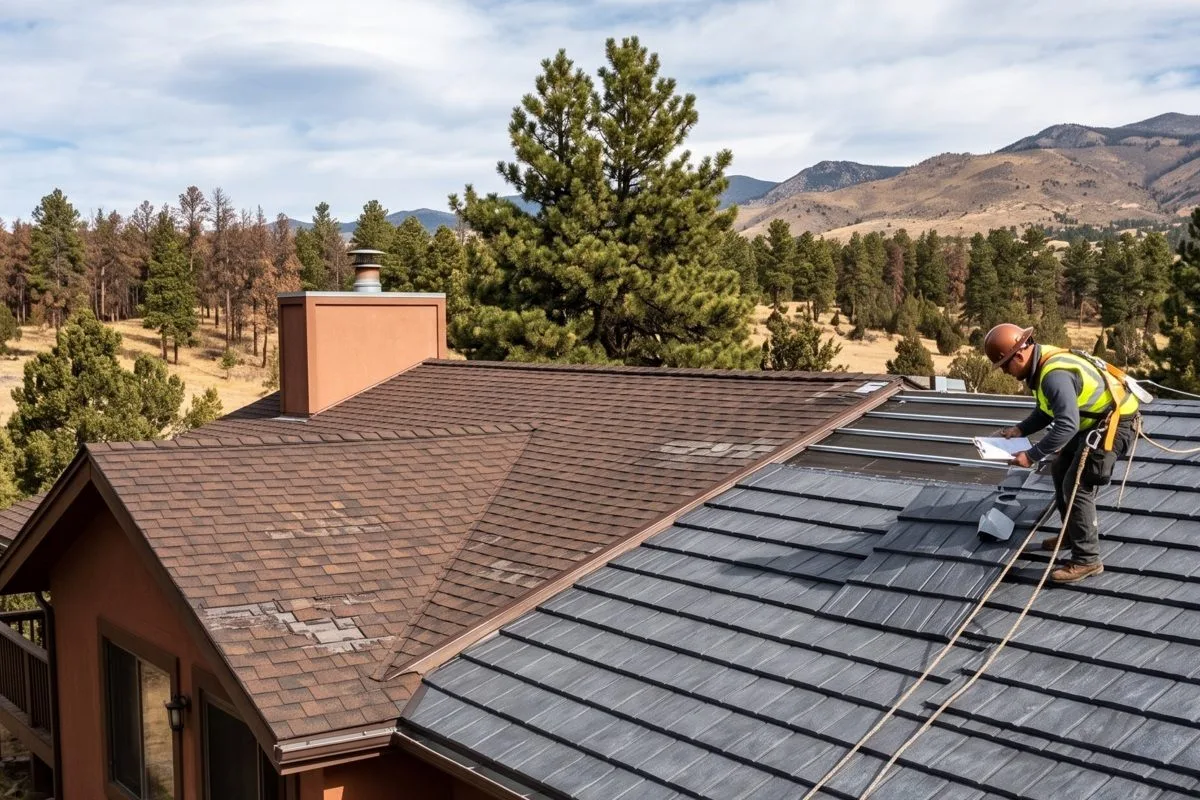
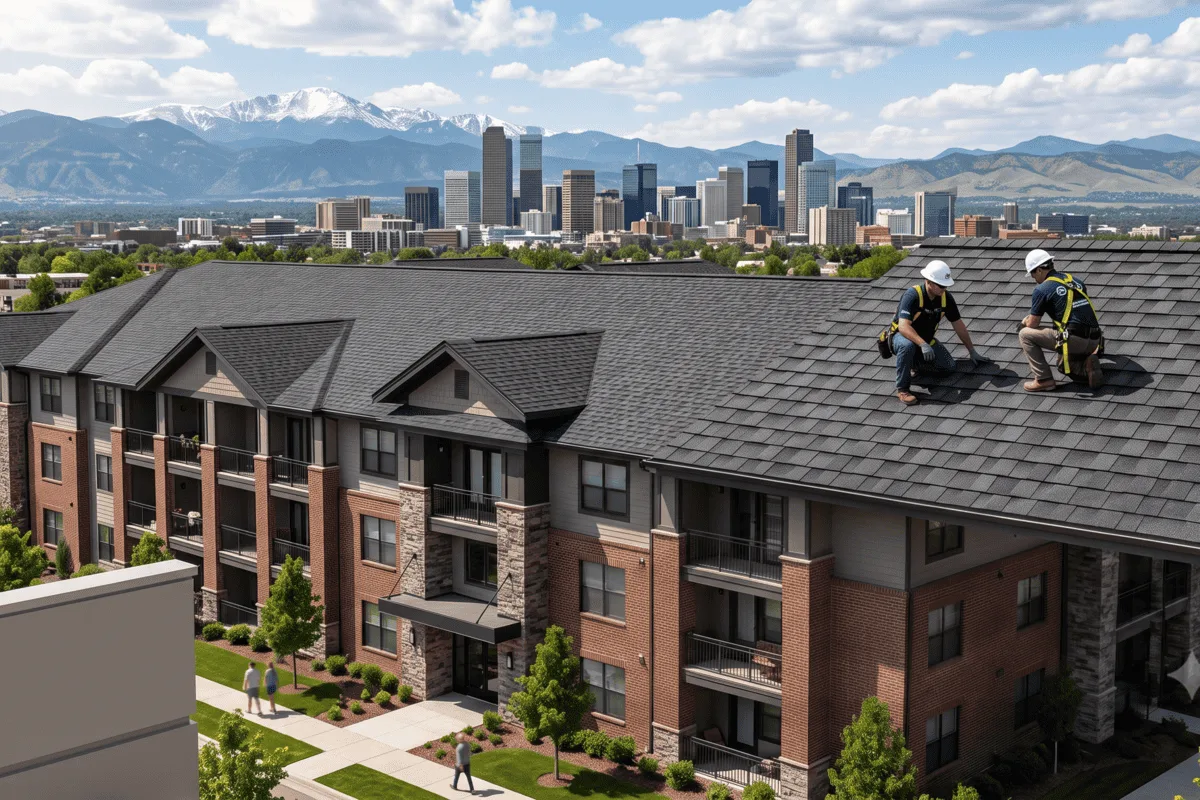
Wildfire season in Colorado is getting more intense, making home protection more important than ever. One of the best ways to reduce fire risk is by choosing fire-resistant roofing. The right roofing material can help prevent embers from igniting your home, slow the spread of flames, and even keep you in line with local building codes designed for wildfire safety.
In this guide, we’ll break down the best fire-resistant materials, what Colorado homeowners need to know about regulations, and key maintenance tips to keep your roof in top shape.
Why Fire-Resistant Roofing Matters in Colorado
Colorado’s dry climate and strong winds create the perfect conditions for wildfires. Even if flames don’t reach your home directly, wind-blown embers can land on the roof and ignite it in minutes. That’s why choosing fire-resistant roofing is one of the best ways to protect your home.
A Class A roof resists ignition from windborne embers, which is how most homes are lost in a wildfire rather than from direct flame contact. Embers travel well ahead of a fire front and collect in roof valleys, gutters, and around vents, which is why the details around the roof matter as much as the covering itself.
Beyond safety, there are other big benefits to upgrading to fire-resistant roofing materials:
- Meeting Local Building Codes: Many areas in Colorado require homes to have a Class A fire-resistant roof, the highest fire rating available. Using the right materials keeps you compliant and better protected.
- Potential Insurance Discounts: Some insurance companies lower premiums for homes with a fire-resistant roof, since they’re less likely to suffer major fire damage.
- Durability and Longevity: Fire-resistant materials like metal, clay, and concrete also stand up to hail, heavy snow, and strong winds, making them a smart long-term investment.
Best Fire-Resistant Roofing Materials
To maximize safety, Colorado homeowners should look for Class A fire-resistant roofing, which offers the highest level of fire protection. Here are some of the best options to consider:
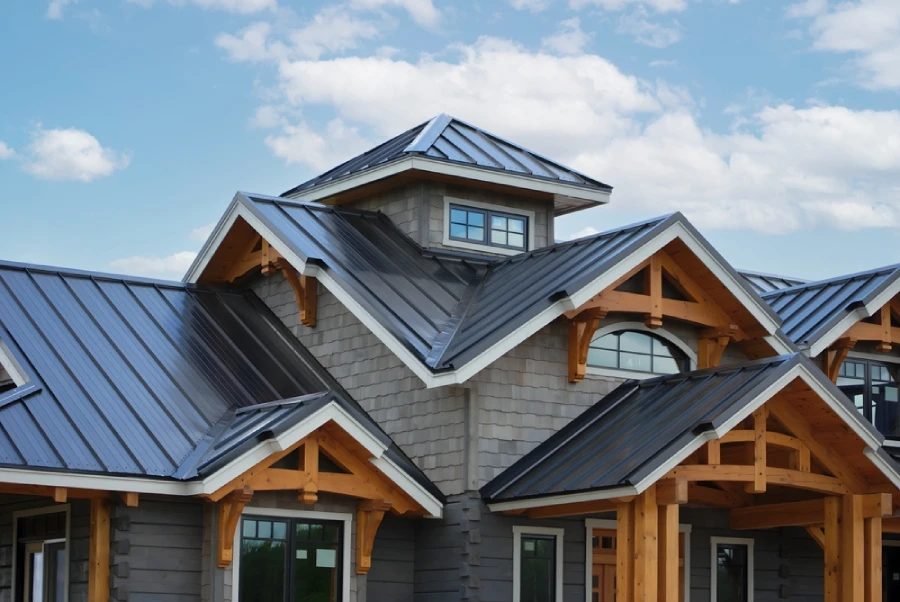
Metal Roofing
Metal does not ignite, and its smooth surface gives embers nothing to lodge in. Metal roofing achieves Class A when installed over an approved underlayment assembly.
The trade-off in Colorado is hail. Metal panels dent, which is cosmetic rather than a failure of the roof, but it is worth knowing before you specify it in a hail-exposed neighborhood.
Clay Tile Roofs
Many homeowners ask, “Is a clay tile roof fire-resistant?” The answer is yes!
Clay tiles are naturally non-combustible, making them an excellent choice for fire-prone areas. They also offer a stylish, classic look and can last for decades with proper maintenance.
However, it’s important to make sure they’re properly installed since gaps between tiles can allow embers to enter.
Concrete Roofing
Concrete tiles and panels are another fire-resistant roof option. Like clay, they are naturally non-combustible and highly durable. Their weight and thickness moderate temperature swings at the roof deck, though the insulation that matters is in the attic rather than in the tile.
Slate Roofing
Slate is a natural stone material that is extremely fire-resistant and long-lasting. While it’s one of the more expensive roofing options, its durability and low maintenance needs make it a worthwhile investment for homeowners looking for premium fire protection.
Asphalt Shingles
Not all asphalt shingles are created equal, but those with a Class A fire rating offer solid fire resistance.
Class A asphalt shingles achieve their rating through the fiberglass mat at their core, combined with the tested assembly beneath them, rather than through a surface treatment. They’re also one of the most budget-friendly options for homeowners looking to enhance their fire protection without a major renovation.
Local Regulations and Building Codes
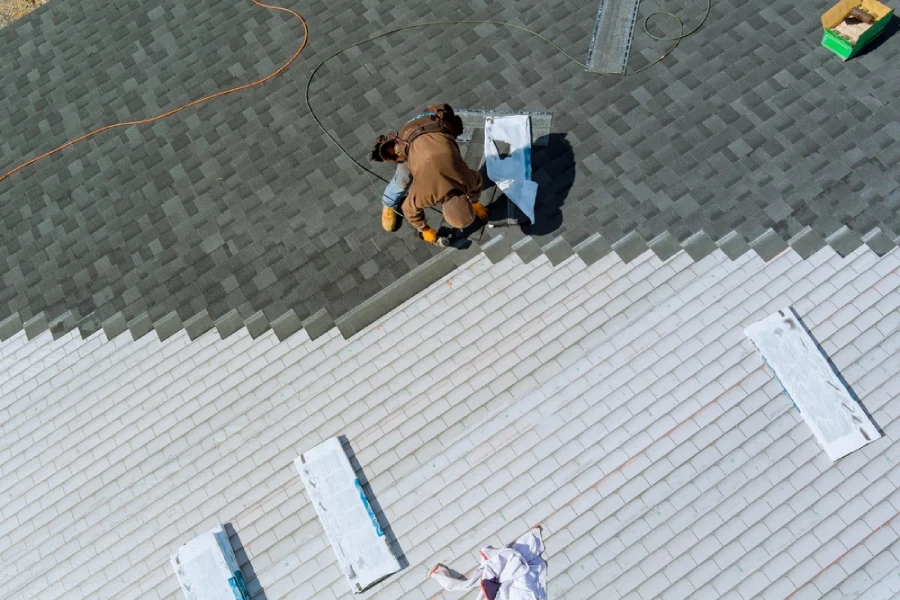
Colorado adopted a statewide Wildfire Resiliency Code in July 2025, and jurisdictions with designated WUI areas were required to reach compliance by July 2026. It sets minimum standards for construction in mapped wildfire areas, applied through local permitting, so the specific requirements still vary by jurisdiction.
Why Class A Fire-Resistant Roofing Matters
In many parts of Colorado, a Class A fire-resistant roof is required. Class A is the highest classification under ASTM E108 and UL 790. The tested assembly must withstand:
- Severe exposure to flame spread across the surface
- A burning brand placed on the roof, simulating windborne embers
- Intermittent flame exposure without the fire penetrating the deck
Note that the rating applies to the tested assembly, covering, underlayment, and deck together, rather than to the covering alone.
Wildland-Urban Interface (WUI) Codes
Roof replacement is one of the projects most likely to bring those requirements into scope. Our guide to the Colorado Wildfire Resiliency Code covers what applies and where, and our article on roofing under the code covers the repair-versus-replace question specifically. These usually include:
- Using fire-resistant roof tiles or other non-combustible materials.
- Sealing gaps in the roofing system to keep embers out.
- Maintaining defensible space around the home by reducing nearby flammable vegetation.
Permits and Compliance
If you’re replacing or installing a roof, it’s important to check with your local building department to make sure your roofing meets all codes. Many areas require:
- A permit before installation.
- An inspection to confirm the roof meets fire safety standards.
- The use of approved materials recognized by fire safety organizations.
Insurance Considerations
With natural disasters on the rise, homeowners’ insurance costs have been climbing, and premiums increased 8.7% faster than inflation between 2018 and 2022. Some insurers have even reduced coverage in high-risk areas, leaving homeowners to find new providers or adjust their policies to keep costs manageable.
Upgrading to fire-resistant roofing doesn’t just help you meet local codes; it can also make your home easier to insure. A Class A fire-resistant roof adds extra protection against wildfires, which could help keep your premiums more stable and improve your chances of maintaining coverage. If you are in a high-risk area, it is worth asking your carrier directly what they credit. Some recognize Class A roofing specifically; others weigh defensible space or the whole-home assessment more heavily.
Protect Your Home
Wildfires are an ongoing concern in Colorado, making fire-resistant roofing a smart investment for homeowners. The right materials provide lasting protection while also meeting local safety codes. Plus, a Class A fire-resistant roof can offer added durability and potential insurance benefits.
Which Class A material suits your home depends on your budget, your hail exposure, and what your roof structure can carry. Metal handles fire and snow well and dents in hail. Clay and concrete last longest and weigh the most. Class A asphalt is the most affordable route to the same fire rating.
If your property is in a mapped WUI area, we can tell you what the code requires at your address before you specify anything. Get in touch, and we will walk the roof with you.