
Summary:
- Brick lasts longest with the least upkeep and costs the most upfront. Vinyl is the cheapest option, while fiber cement and board and batten are mid-range. Brick veneer provides a budget-friendly brick look.
- Vinyl costs the least, needs only occasional cleaning, and fades and cracks faster than the alternatives at altitude. Fiber cement and brick veneer offer durability with low upkeep, while board and batten’s durability varies by material.
- For aesthetics, brick provides timeless appeal, vinyl offers variety, fiber cement mimics wood or stone, board and batten adds rustic charm, and brick veneer resembles classic brick.
- Colorado’s climate favors durable options like brick and fiber cement.
- The best choice depends on your budget, style, and durability needs.
Deciding between brick vs. siding for your Colorado home is no small choice. With Colorado’s unpredictable weather and beautiful natural scenery, picking the right exterior material isn’t just about looks. It’s also about durability, maintenance, and getting the most value for your money.
In this guide, we’ll break down the pros, cons, and costs of brick vs. other siding, including popular options like vinyl, fiber cement, and board and batten. By the end, you’ll have a clearer idea of what works best for your Colorado home.
Cost Comparison
Cost is usually the deciding factor, and the gap between these options is wide. Here is where each sits relative to the others.
Brick vs. Siding Cost
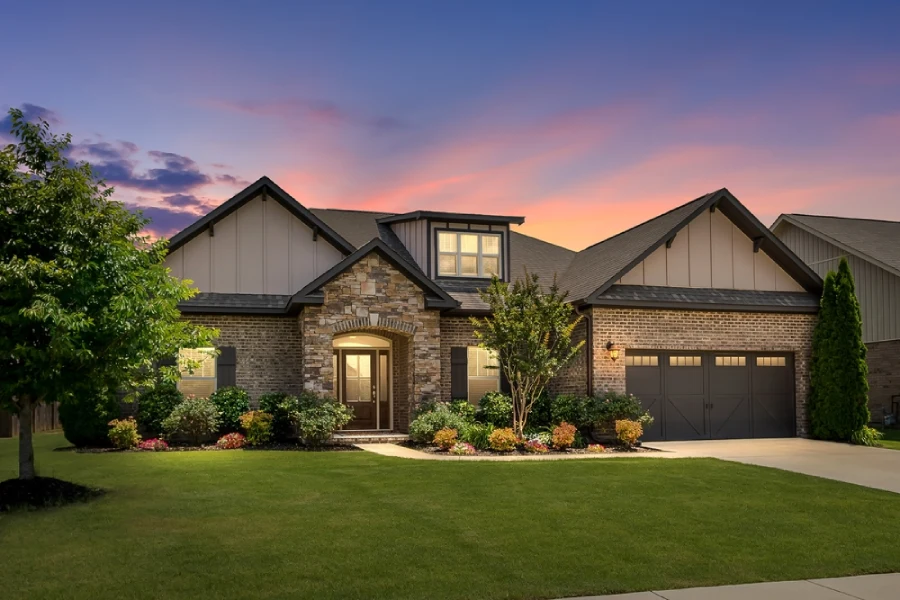
Brick is the most expensive of the five, both in material and in labor, since it is laid by hand.
Vinyl siding is the least expensive and the fastest to install, which keeps labor costs down as well.
Fiber cement siding sits in the middle. It costs more than vinyl in material and takes longer to install because the boards are heavier and need cutting with the right equipment.
Board and batten siding varies the most, because the price follows the material underneath. In vinyl, it is close to standard vinyl; in fiber cement, it costs more, largely because of the extra battens and the labor to set them out.
Brick veneer gives you the brick appearance at a fraction of full masonry cost, since it uses far less material and needs no separate footing.
For figures on your own house, our pricing guide has current ranges, or we can quote it directly.
Comparing Popular Siding Material Options Against Brick
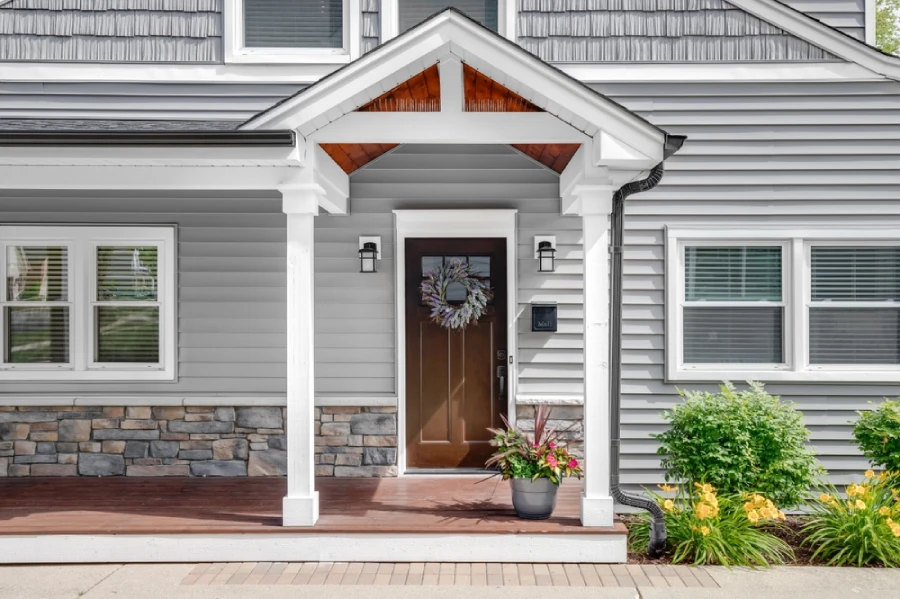
Let’s break down how vinyl, fiber cement, and board and batten siding stack up against brick.
Brick vs. Vinyl Siding
Vinyl siding is one of the most popular and budget-friendly options out there. It’s lightweight, easy to install, and comes in a variety of colors and styles.
Unlike brick, vinyl is more prone to damage from severe weather and can fade or crack over time. However, its low cost and minimal maintenance make it appealing to many homeowners.
- Durability: Less durable than brick. It becomes brittle in deep cold and fades faster under high-altitude UV, so specify a heavier gauge if you are choosing it here.
- Maintenance: Occasional cleaning is all it needs.
Brick vs. Fiber Cement Siding
If you’re looking for something that’s tough and visually appealing, fiber cement siding is worth considering. Made from cement, sand, and cellulose fibers, it mimics the appearance of wood or even stone.
Unlike vinyl, it’s highly durable and can handle Colorado’s varying climate.
- Durability: Less durable than brick. It becomes brittle in deep cold and fades faster under high-altitude UV, so specify a heavier gauge if you are choosing it here.
- Maintenance: Field-painted fiber cement needs repainting periodically. Factory-finished products such as ColorPlus® carry a 15-year finish warranty and no repaint cycle.
Board And Batten Siding vs. Brick
For those who love a rustic, farmhouse look, board and batten siding is a popular choice. It’s made from wood, vinyl, or fiber cement and offers a charming, vertical pattern that stands out. While it may not be as durable as brick, modern materials have improved its resilience.
- Durability: Varies depending on the material used; fiber cement versions are the most durable.
- Maintenance: Wood versions require more upkeep, but fiber cement options are low-maintenance.
Brick Veneer vs. Siding
If you’re looking for the classic look of brick without the high cost, brick veneer offers a practical alternative. It’s a thin layer of brick or manufactured masonry applied over a lath and weather-resistive barrier, giving the brick appearance without the weight or the footing that full masonry requires.
- Durability: Not as thick as full brick, though the exposed face weathers the same way. The critical detail is the drainage plane behind it, since veneer failures are almost always moisture failures rather than material failures.
- Maintenance: Generally low-maintenance, only requiring occasional cleaning to keep it looking fresh.
Which One Should You Choose for Your Colorado Home?
Deciding between fiber cement siding vs brick and more comes down to what matters most for your home’s style, durability, and budget.
Here’s a quick rundown to help you decide:
- Choose Brick If: You want maximum durability, low maintenance, and classic curb appeal, and you’re okay with a higher upfront cost.
- Choose Vinyl Siding If: You’re working with a tight budget and want a low-maintenance option that’s quick to install.
- Choose Fiber Cement Siding If: You’re looking for a middle ground between cost and durability, with a natural look that can mimic wood or stone.
- Choose Board and Batten Siding If: You prefer a rustic, farmhouse-style exterior and are willing to invest a bit more in materials for added character.
- Choose Brick Veneer If: You want the look of brick at a lower cost, with easier installation and reasonable durability.
Finding the Perfect Fit
When it comes to brick vs siding, there’s no one-size-fits-all answer. It all boils down to finding the right balance between cost, durability, maintenance, and style. Brick offers a classic, long-lasting look but comes at a premium while siding options like vinyl, fiber cement, and board and batten provide attractive, budget-friendly alternatives with their own unique benefits.
Ready to compare them at your own house? See our siding options, or get in touch, and we will price two or three side by side so you can see the actual gap rather than a general range.