
Veneer is a thin facing rather than a structural wall, so it weighs far less than full-thickness masonry and costs considerably less to install. Depending on the product, it is either cut natural stone or a manufactured product cast from cement with iron oxide pigments. Manufactured veneer is installed over a weather-resistive barrier and lath with a mortar setting bed, and natural stone veneer uses a similar assembly.
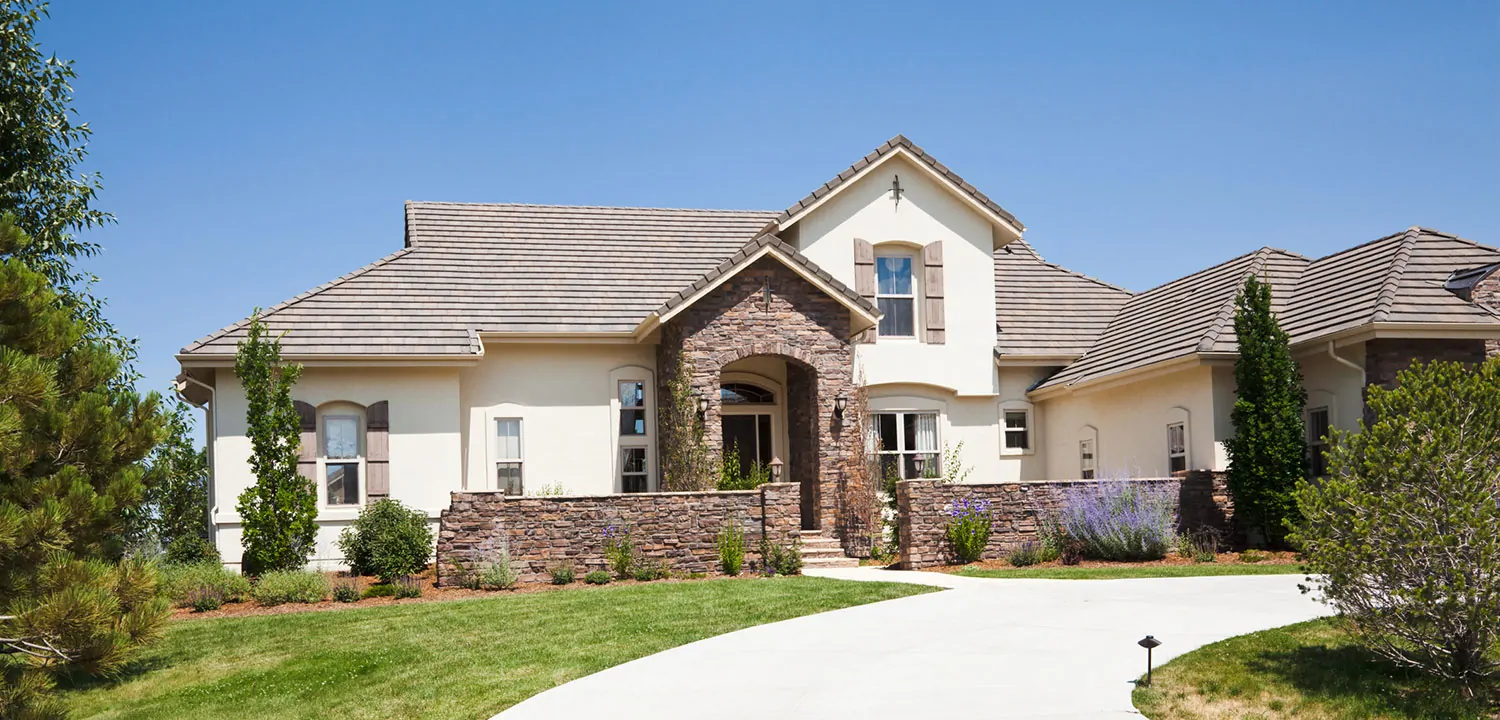
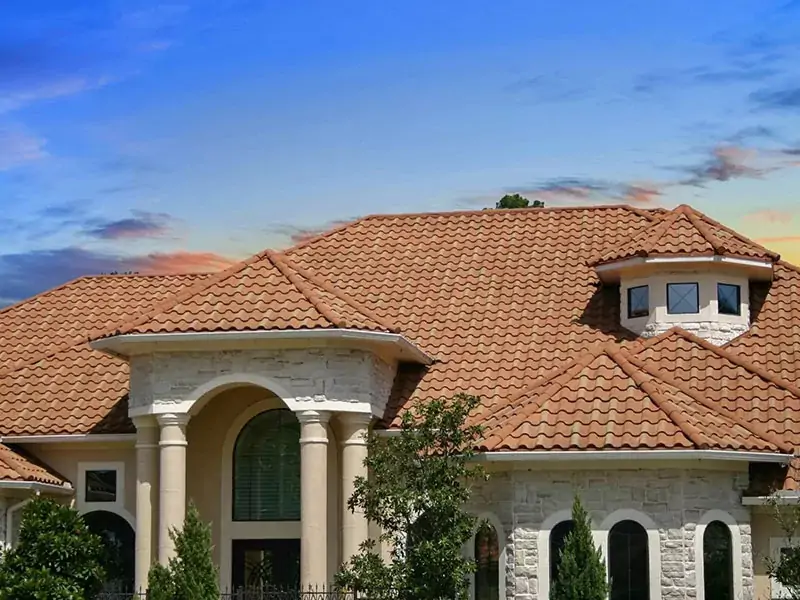
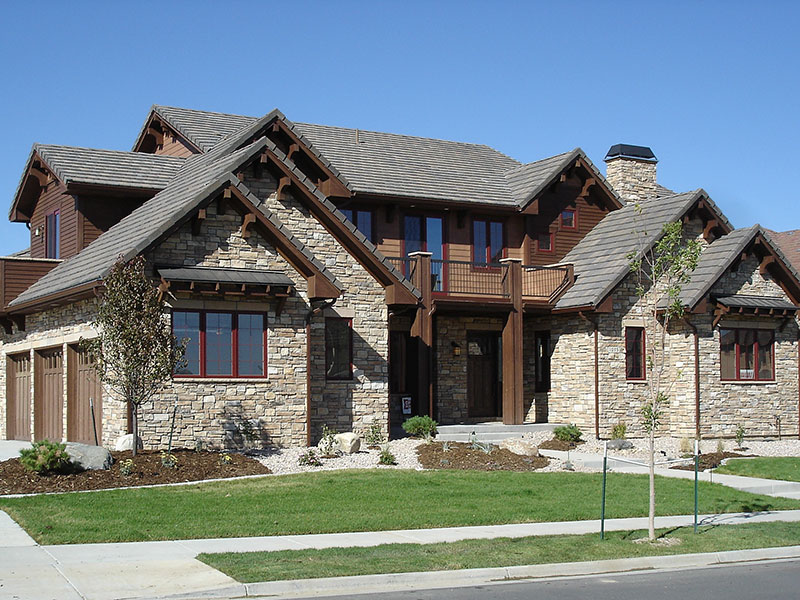
Whether you are looking to add old-world character, country elegance, or a warm outdoor living space, brick and stone veneer can bring your vision to life. Veneer comes in a wide range of profiles, colors, and textures, so it suits everything from a full elevation to a single accent wall or column base. At GS Exterior Experts, our brick and stone veneer in Denver is installed by a quality craftsman you can trust.
Veneer is a thin facing rather than a structural wall, so it weighs far less than full-thickness masonry and costs considerably less to install. Depending on the product, it is either cut natural stone or a manufactured product cast from cement with iron oxide pigments. Manufactured veneer is installed over a weather-resistive barrier and lath with a mortar setting bed, and natural stone veneer uses a similar assembly.

Here are some of the most significant advantages of stone and brick veneer siding:
Our stone veneer siding and outdoor brick veneer gives your house the look of a cottage or a farmhouse. It creates a rustic and authentic aesthetic you can't get with other materials.
Stone and brick veneer are non-combustible, which matters in Colorado's wildland-urban interface where exterior materials are increasingly governed by the Colorado Wildfire Resiliency Code. Note that cladding is one part of wildfire hardening. Roof assembly, vents, decking, and defensible space all affect how a home performs.
Veneer needs little upkeep. It will not rot and is not a food source for termites, so no insecticide treatment is required. Mortar joints should be inspected periodically and repointed if they crack, which is the main maintenance item on any masonry facade.
Veneer changes the character of an elevation more than almost any other exterior material, which is why it is so often used on entries, gables, and column bases rather than whole houses.
Veneer costs a fraction of full-thickness masonry because it uses far less material and needs no separate footing. Final price depends on the product you select and the complexity of the elevation.
These are the most common types of stone and brick veneer that you can find at GS Exterior Expert in Denver.
Both perform well in Colorado, so the choice usually comes down to look and budget.
Stone is irregular and organic, with no two pieces alike. It suits mountain and rustic architecture, and looks best on entries, chimneys, and column bases where the variation reads up close.
Brick is uniform and ordered. The repeating coursing suits traditional and colonial homes, and holds up better across a large flat elevation.
One local note: Colorado’s freeze-thaw cycling is hard on absorbent stone, so denser options like granite outlast softer sandstone or limestone here. Ultimately, the best brick or stone veneer for your home is the one that suits your preference, climate, and budget.
Growing up, most of us have images of Tudor cottages and spacious farmhouses in our minds. Of course, such traditional architecture isn’t the sole focus of rural homes. Today, we also see modern homes with sleek interiors and minimalist aesthetics. Making a house feel like a cottage is as simple as adding stone or brick veneer to your home.
From brick veneer to manufactured and natural stone, call GS Exterior Experts and we’ll walk you through the profiles, colors, and costs for your elevation.
Curious about Brick Stone Veneer Siding? We have the answers.
It depends on the substrate. Veneer needs a structurally sound wall with a weather-resistive barrier and lath underneath, so it can go over sheathing but not directly over most existing siding types without first removing them. We’ll check your wall assembly during the estimate to confirm what’s underneath and what prep is needed.
Far less than full masonry. Manufactured veneer typically runs 8–15 lbs per square foot, and natural stone veneer is somewhat more, compared to full-thickness brick or stone, which can weigh 35–50 lbs per square foot and requires its own footing. Veneer’s weight is usually not a structural concern on a standard wall assembly, but we’ll confirm that during your consultation.