

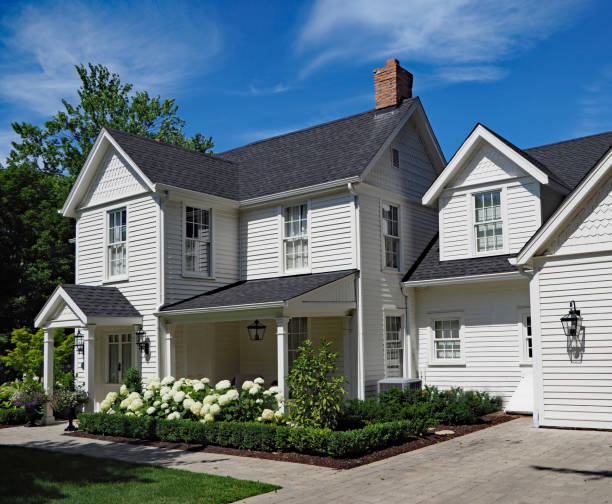
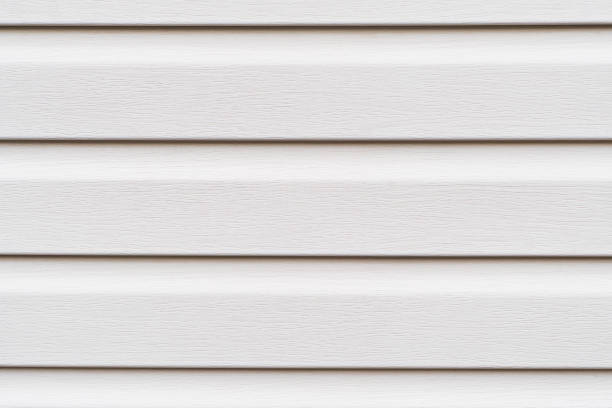
Vinyl siding is an exterior cladding made from polyvinyl chloride (PVC). It carries the lowest upfront cost of any siding material, needs no painting, and comes in a wide range of colours and profiles, which is why it remains the most widely installed cladding in the country.
At GS Exterior Experts, we install and replace vinyl siding across the Denver metro.
Vinyl is one of the most cost-effective siding options available compared to its counterparts.
Vinyl isn't designed to be painted and normally never needs it. An occasional rinse with a hose keeps it clean, and the colour is moulded through the panel rather than applied to the surface, so scratches do not show a different colour underneath.
Vinyl will not rust, rot, or attract insects, and it typically lasts 20 to 40 years depending on exposure and quality. Worth knowing that vinyl becomes brittle in extreme cold and can crack under hail impact, and heavier gauge panels hold up better than thin ones.
There are a wide variety of vinyl siding options to match your style and budget.

Vinyl expands and contracts substantially with temperature, and Denver swings a long way in a single day. Panels have to be hung rather than nailed tight, with the fastener centred in the slot and left loose enough for the panel to move. Nail it fast and you get buckling and waviness within a year. We install accordingly, and we will tell you honestly whether vinyl is the right call for your exposure or whether another material would serve you better.
Most vinyl carries a manufacturer warranty on the panels, and we back the installation with our own written workmanship warranty. We provide the terms of both before work begins.





Yes, but with caveats. Use paint specifically formulated for vinyl (urethane-acrylic), since it needs to flex as the material expands and contracts. Stick to colors close to or lighter than the original — darker shades absorb more heat and can warp the panels. Painting can also void your manufacturer’s warranty, so check your terms first. We can advise on your specific siding.
Vinyl siding often lasts 20 to 40 years, depending on panel quality, exposure, installation, and impact damage. Hail is the main factor that shortens that range in Colorado, since vinyl can crack on impact where more impact-resistant materials wouldn’t.
It can. Vinyl becomes more brittle as temperatures drop, so a hard impact in deep cold is more likely to crack a panel than the same impact in summer. Heavier gauge vinyl resists this better than economy grades, and individual panels can be replaced without redoing the wall.
Vinyl costs considerably less upfront and needs no painting. Fiber cement costs more, is non-combustible, and carries longer warranty terms, which matters in wildfire-exposed areas. Vinyl makes sense when budget is the deciding factor or when you are not planning to stay in the home long term. We will give you both numbers and let you decide.
Sometimes, but we rarely recommend it. Covering old siding hides whatever is behind it, including moisture damage and failed flashing. Removing it lets us inspect the wall and install a proper weather-resistive barrier.