






Home » Colorado Springs » Siding Contractor Colorado Springs, CO
Colorado Springs sits above 6,000 feet, where strong UV exposure, hail, freeze-thaw cycles, and Front Range winds wear down siding faster than many homeowners expect. In areas near the foothills, including Rockrimmon and Flying Horse, wildfire and ember exposure also affect material choice.
We serve homeowners across Colorado Springs with siding systems designed to handle these conditions, and our crews work in the area regularly.
Siding up here takes a beating. The UV exposure at this elevation fades and breaks down lower-grade materials faster than most people expect, and that's before you factor in hail, wind-driven debris, and sharp temperature swings. We install siding that's actually built to hold up in these conditions.
Whether you need a full replacement or targeted work on a problem area, we’ll assess what’s going on, address any moisture issues underneath, and get the right material on your home.
We replace trim, soffit, and fascia as part of the job so your exterior is finished right and protected at every edge.
Colorado Springs weather is hard on moisture barriers and insulation over time. We check both before new siding goes on and make improvements where they’re needed.
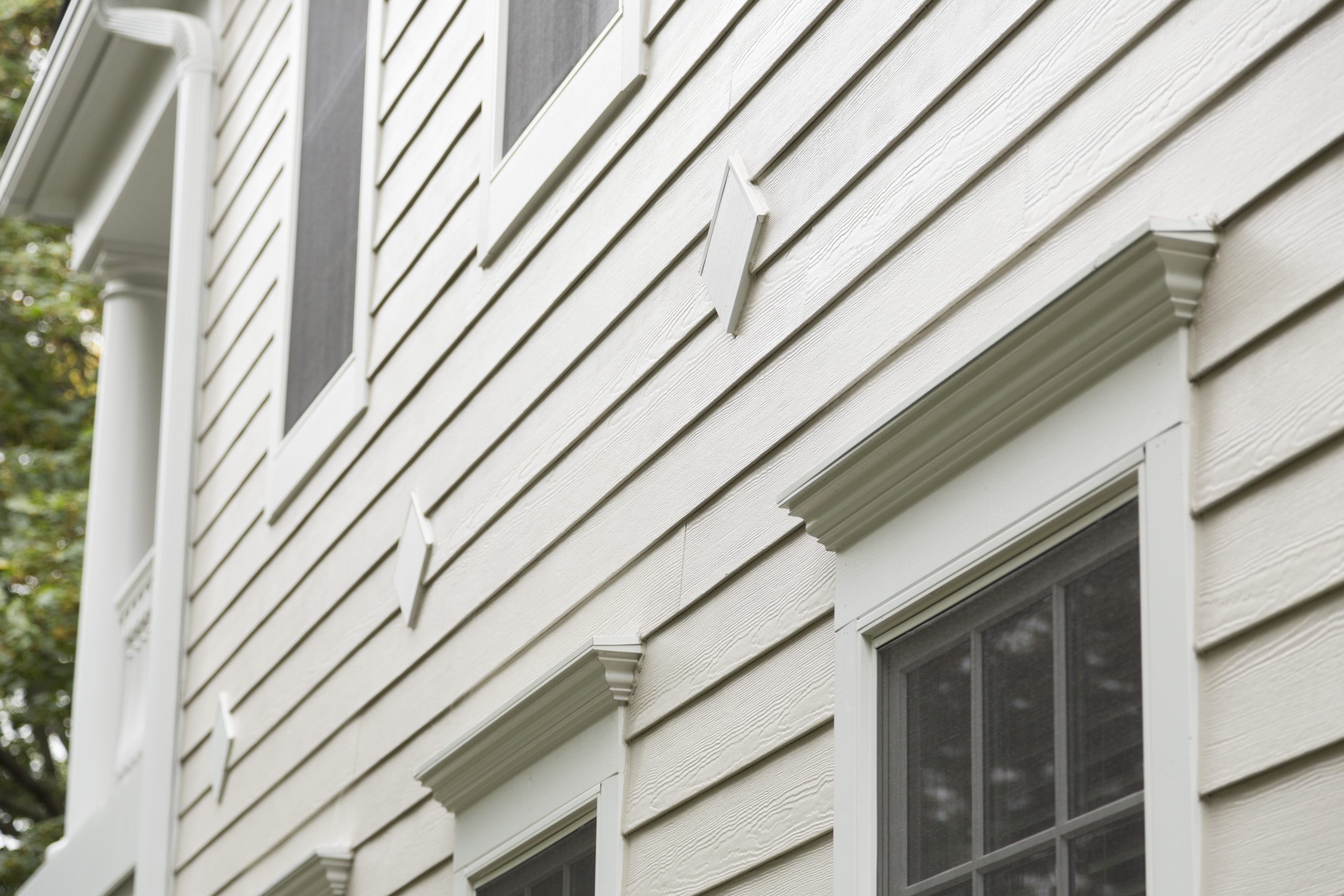
Material choice matters more at this elevation than it does in a lot of other places. James Hardie fiber cement is our top recommendation for most homes here. It resists impact better than vinyl, is not a food source for pests, and needs no repainting when specified with ColorPlus® Technology. Hardie also engineers its products by climate zone, with the HZ5 line specified for Colorado. The substrate carries a 30-year non-prorated warranty, and for homes near the foothills or in WUI zones it is classified non-combustible under ASTM E136.
This is where Colorado Springs stands apart from most markets. A significant portion of the west side, including neighborhoods near Cheyenne Mountain State Park, Rockrimmon, and the foothills above Old Colorado City, falls within or adjacent to WUI classifications. The Waldo Canyon and Black Forest fires made clear what that risk looks like in practice.
In WUI-adjacent areas, siding choice affects how your home responds to radiant heat and airborne embers, not just everyday weather. Fiber cement is classified non-combustible under ASTM E136 and is widely recommended in WUI guidance over wood-based products. Bear in mind that cladding is one part of the picture: roof assembly, vents, decking, and defensible space all affect how a home performs.
Installation details matter just as much as material. We pay close attention to sealed transitions at trim, window and door openings, and rooflines, which are the most common vulnerable points during a fire event. See our fire resilient Colorado home guide for how the code approaches each element.
We walk the current exterior with you, check the siding, trim, and related components, note any damage or weak spots, and give you a clear estimate with no pressure attached.
Once scope is set, we go through material options, colors, trim details, and any moisture or insulation upgrades. You’ll know exactly what’s happening before work starts.
We prep the existing exterior properly before anything new goes up. That includes the weather-resistant barrier and all the transitions, not just the surface material. Final details get the same attention as the rest of the job.
Colorado Springs is a tough environment for exterior materials. The elevation, hail, UV exposure, and wildfire risk in certain neighborhoods combine in ways that punish shortcuts. We’ve worked in this market long enough to know what those conditions require.
James Hardie Elite Preferred Contractor and five-time President’s Club recipient
Familiar with Pikes Peak Regional Building Department permitting and WUI requirements
Hardie’s HZ5 climate-zone products specified for elevation above 6,000 feet
Sealed transitions at trim, openings, and rooflines, which is where fire exposure concentrates
If your home needs a siding contractor in Colorado Springs, CO, we’re ready to help. Request a free estimate and we’ll take a look at what your exterior needs.
Yes. We serve homeowners throughout Colorado Springs and the surrounding area. Our crews are out here regularly.
For homes in or near WUI zones, fiber cement is generally the strongest choice. It’s non-combustible, handles UV and moisture well, and holds up better over time than wood at this elevation.
Higher elevation means more intense UV year-round, which speeds up surface breakdown in materials that might last longer at lower elevations. It also means harder freeze-thaw cycles that stress caulk joints and trim transitions over time.
It can. Colorado’s Wildfire Resiliency Code sets minimum standards for construction in designated WUI areas, and local jurisdictions apply them through their own permitting. In El Paso County that runs through the Pikes Peak Regional Building Department. We check what applies at your address before recommending a material, since a re-side can trigger hardening requirements you would not expect.
Yes. After a significant hail event we can evaluate the damage and tell you whether it warrants a full replacement or targeted repair. We document what we find to support your claim, and we are familiar with the process from inspection through installation. Note that carriers have reporting deadlines, so it is worth getting the roof and siding looked at soon after a storm rather than waiting.
Often yes, especially if both systems took damage in the same storm. Coordinating the work means one mobilization, consistent material handling, and a properly sealed roof-to-siding transition, which is one of the most vulnerable spots on any home.