

Aluminum siding is lightweight, non-combustible, and will not rust or rot. It was widely installed across Denver from the 1950s onward, so we work on it as often for repair and replacement as for new installations.
At GS Exterior Experts, we install and replace aluminum siding across the Denver metro.
Here’s a quick look at why you might choose aluminum siding replacement in Denver.
Aluminum will not rot, warp, rust, or attract pests, and it does not burn. It handles wind and temperature swings well, though large hail can dent aluminum panels, so gauge matters here more than in most markets.
Aluminum siding is fully recyclable at the end of its service life, and most aluminum siding contains recycled content already. When it eventually comes off your home, it has scrap value rather than disposal cost.
Aluminum needs little more than an occasional wash with soap and water. Older aluminum can chalk as the finish oxidises, which shows as a powdery residue, and that is usually the point at which repainting or replacement is worth considering.
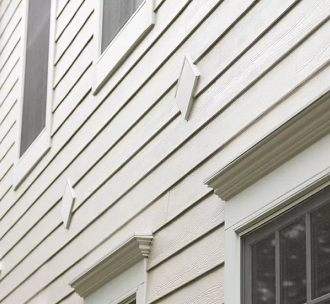
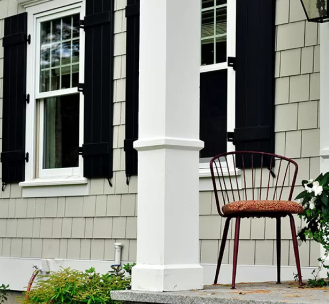
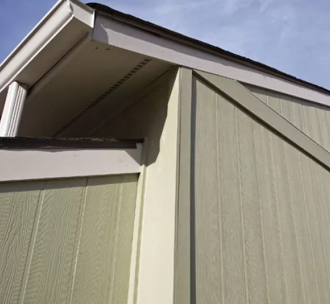
Aluminum panels expand and contract more than most cladding materials, so fastening has to allow for movement rather than pinning the panel tight. Get that wrong and you see oil-canning and waviness across the elevation within a season or two.
We install accordingly, and we can also assess whether your existing aluminum is worth repairing or has reached the point where replacement makes more sense.
Two warranties apply to an aluminum siding job: the manufacturer’s on the panels and finish, and ours on the installation. We provide the written terms of both before work begins.
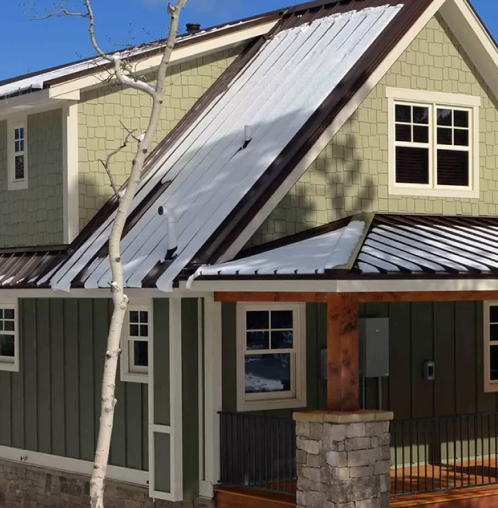




Yes, aluminum siding takes paint well. The surface needs to be cleaned, and any chalking or oxidation removed first, and a bonding primer is usually required for a coating to adhere properly and last. 100% acrylic latex is a common choice, but the right product depends on the condition of the existing finish, so it’s worth checking compatibility before starting. We’re happy to take a look and advise on prep and product for your specific siding.
It depends on how widespread the damage is. Individual dented or damaged panels can often be replaced, though matching an older colour is difficult since finishes fade over decades and the original product may be discontinued. If the finish is chalking across the whole house or panels are damaged on multiple elevations, replacement usually costs less than piecemeal repair and gives you a uniform finish. We will tell you honestly which situation you are in.
Yes. Aluminum is a soft metal and dents more readily than steel or fiber cement. Heavier gauges resist it better, and textured or wood-grain finishes hide minor denting far better than smooth panels. If your neighbourhood takes regular hail, this is worth weighing before you commit, and we will walk you through how aluminum compares with the alternatives.
Sometimes, but we rarely recommend it. Covering old siding hides whatever is underneath, including moisture damage, failed flashing, and deteriorated sheathing. It also adds a layer that complicates future repairs. Removing the old siding lets us inspect the wall, correct any problems, and install a proper weather-resistive barrier.
The aluminum itself does not rust or rot and can last several decades. What ages first is the finish, which chalks and fades with UV exposure, and that happens faster at Colorado’s elevation than at sea level. Many Denver homes still have their original aluminum siding from the 1960s and 1970s, though most of it is well past the point where the finish looks good.