
We can’t wait to partner with you to transform your home
USER DETAILS
PROJECT DETAILS
Home » Siding

Siding is one of the most important features of your home. It protects the structure from moisture, wind, and impact, and it sets the appearance of the whole exterior. If you’re looking for a siding contractor in the Denver metro area, look no further than GS Exterior Experts.
We install fourteen siding systems, from vinyl through to noncombustible fiber cement and concrete. Which one suits your house comes down to four things: how it handles freeze-thaw cycling, how it holds a finish at altitude, whether it burns, and what the manufacturer will warrant. Below is how the options compare on each.
Four mechanisms drive material choice and they matter more than they would in most markets.
The Front Range crosses freezing and thawing far more often in a year than most of the country. Any material that absorbs water expands when that water freezes, and repeated cycles open joints, split boards, and loosen fasteners. Fiber cement, concrete, and masonry do not absorb water. Wood does.
UV intensity rises roughly 2% for every 1,000 feet of elevation, according to the EPA. A finish rated for fifteen years at sea level is working harder at 5,280 feet, which is why factory-applied finishes with published warranty terms hold up better here than field-applied paint.
No cladding is hail-proof, and no siding manufacturer publishes a hail rating, since UL 2218 is a roofing standard. What differs is the failure mode. Soft metals dent. Vinyl cracks when it is cold. Fiber cement resists denting but can chip under severe impact. Masonry is largely unaffected. Worth deciding which failure you would rather have.
In designated wildland-urban interface areas, the Colorado Wildfire Resiliency Code can require noncombustible or ignition-resistant cladding. Fiber cement, stucco, masonry veneer, steel, and concrete products qualify. Wood, engineered wood, and vinyl do not. If your address falls inside a mapped area, that decides the material before anything else does.
We are a James Hardie Elite Preferred Contractor, the top tier of the Contractor Alliance Program, and a five-time President’s Club recipient. We are also committed to providing an exceptional experience for every customer.
The key to the success of your project is good communication. And, a big part of communication is listening. From the beginning of a project to its end, our company places a high priority on listening – to you, your needs, and wishes.
One of the owners is hands on throughout the project, so if any problems or issues arise, they can be dealt with immediately. This also ensures built in quality control.
We install James Hardie, LP SmartSide, Woodtone, Nichiha, EverLog, Vesta, and Mastic siding, and will tell you which suits your exposure, budget, and HOA requirements.
And we like to take care of our neighborhoods. GS Exterior Experts has long been a part of the Denver community. We’re the local experts in siding installation, and we’re passionate about helping our neighbors find the perfect siding for their homes.
We offer a wide variety of siding options, and we’ll work with you to find the perfect match for your home.
Trust is the cornerstone of our long-term success. We have served Colorado homeowners since 1999 and look forward to serving you! Ask any of our past Colorado home siding customers—or, just go take a look at their home exteriors!
We’re committed to providing our customers with the highest quality products and services available, and we offer a wide range of options to make sure that your project fits your budget.
Since 1999, we’ve been giving Colorado homeowners a straight answer on what their exterior needs and installing it to the manufacturer’s spec.





James Hardie
LP Smartside

Woodtone

Nichiha
Everlog
Vesta

Mastic
Explore our siding options. Not sure what product is the best fit for your home? Don’t worry! We make the process easy. Just contact us today to get started.
Fiber cement engineered by climate zone, with the HZ5 line specified for Colorado. Noncombustible, dimensionally stable through freeze-thaw, and available factory-finished.
BenefitsNoncombustible (ASTM E136), 30-Year Non-Prorated Warranty, 15-Year ColorPlus Finish Warranty
Engineered wood treated to the core against rot and termites, with real wood texture. Available prefinished with Diamond Kote and its 30-year no-fade warranty.
BenefitsSmartGuard® Treated to the Core, 5/50 Limited Warranty, Hail Coverage to 1.75 Inches
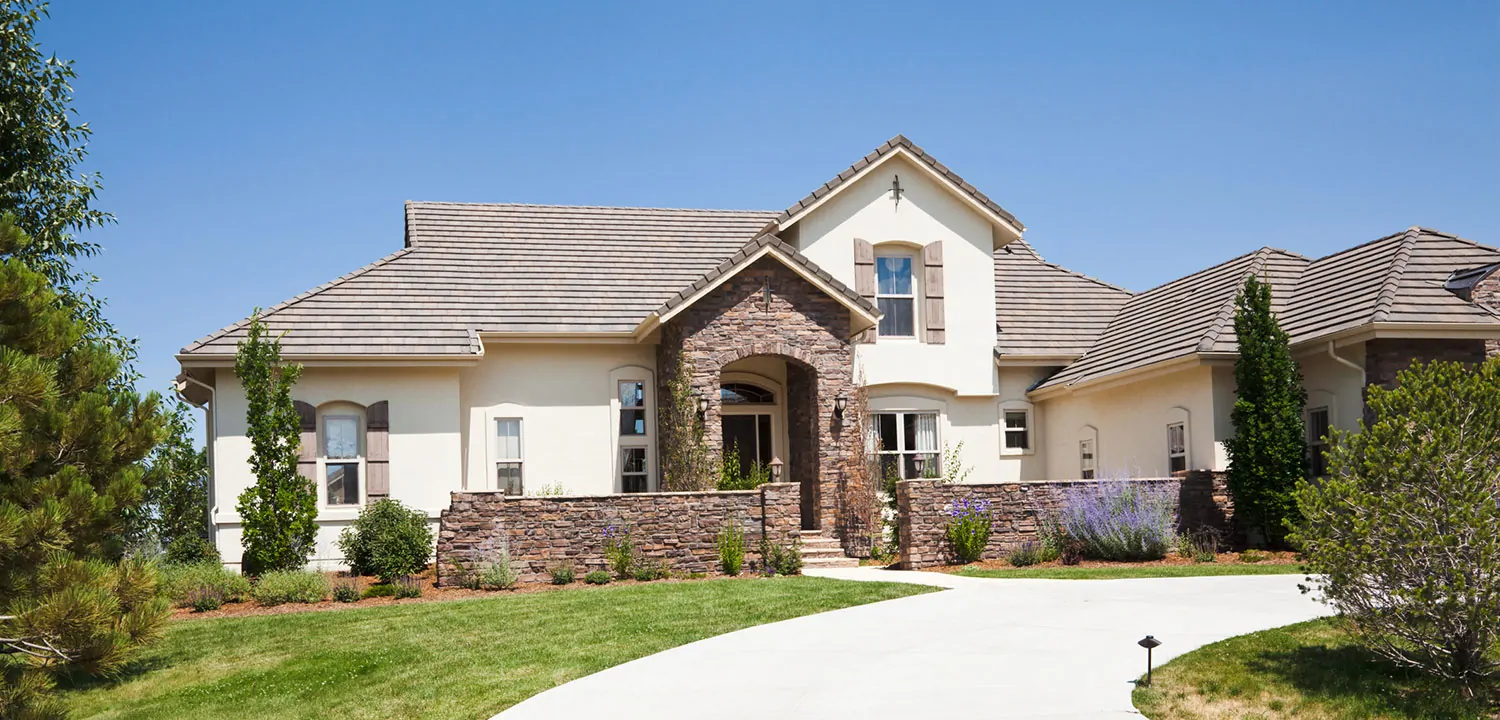
Let the beauty of natural stone or brick veneer take your creative inspiration to the next level. Your house siding will be among the most beautiful in Denver.
BenefitsNoncombustible, No Refinishing Required, Repoint Joints Periodically
The look of natural wood without the re-staining cycle that real cedar requires.
BenefitsWood-Look Factory Finish, 20-Year Fade Coating Warranty, No Re-Staining
There is something simply luxurious about the look of stucco, and when combined with the decorating options of stucco moldings, homes can truly stand out as gems in a neighborhood.
BenefitsNoncombustible Cement Finish, Seamless Application, Crack Repair as Needed
Nichiha is a fiber cement product available in architectural panel formats, including finishes that replicate wood, stone, and metal.
BenefitsNon-Combustible, Rot and Pest Resistant, Architectural Panel Formats
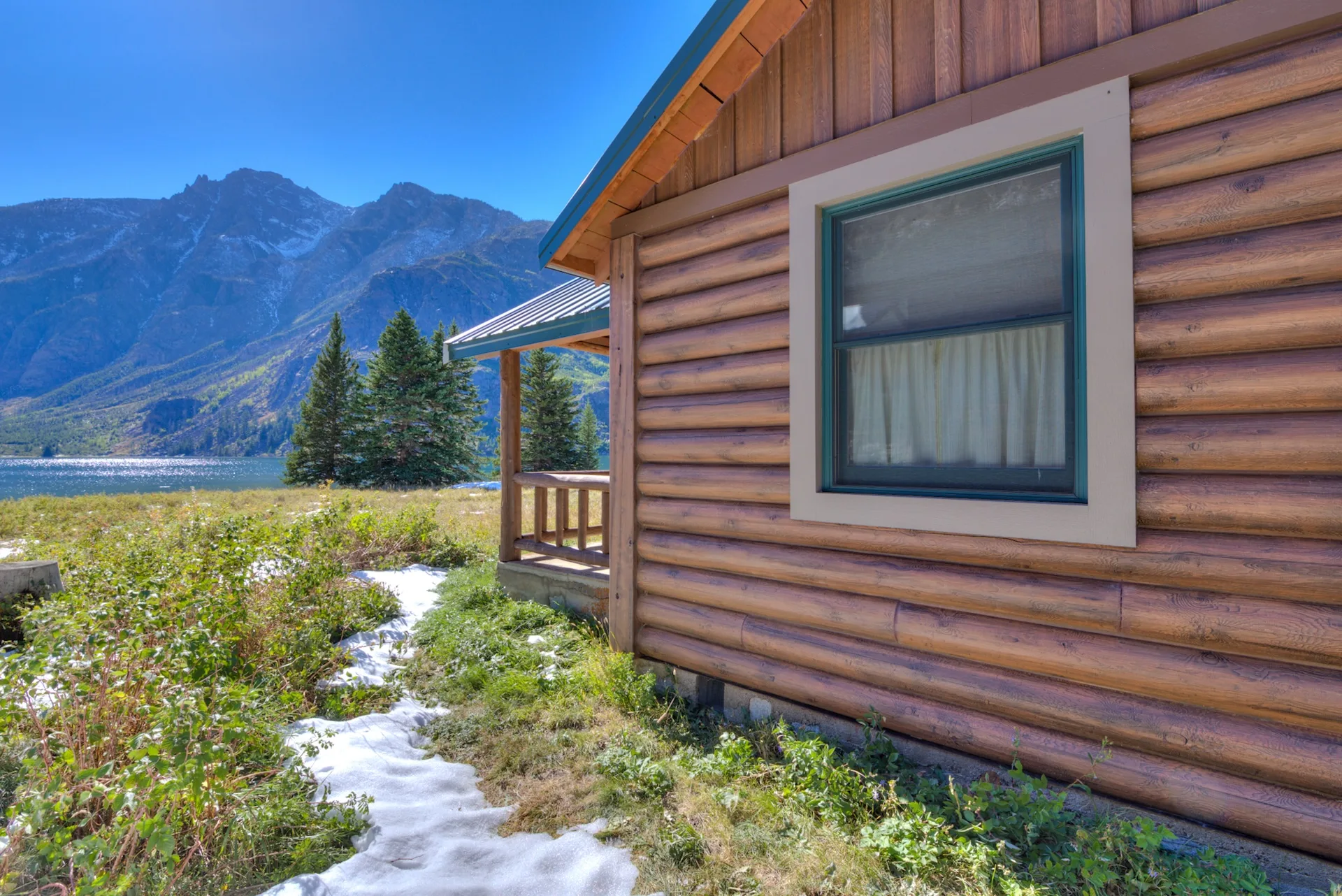
Log siding gives you the profile of full log construction without the maintenance. We install EverLog® concrete log siding, which will not rot, warp, or settle, and unlike real logs it never needs staining or sealing.
BenefitsClass A Fire Rated · 50-Year Limited Warranty · No Staining or Sealing
Aluminum siding is made from a tough, lightweight material that won't rust or rot. This makes it a popular and practical siding option for homeowners.
BenefitsNon-Combustible, Will Not Rot or Rust, Low Upkeep
Vinyl siding is an affordable, weather-resistant exterior cladding material made from polyvinyl chloride (PVC). It’s an attractive, low-maintenance way to improve a home's exterior.
BenefitsLowest Upfront Cost, Minimal Maintenance, No Painting Required
Cedar siding is a versatile wood material that adds charm and character to homes with its natural beauty. Great choice to enhance your exterior.
BenefitsNatural Oils Resist Rot, Field-Finished, Re-Stain Every 3 to 7 Years
Metal siding has low-maintenance, is a durable solution that enhances curb appeal.
BenefitsNoncombustible, Reflective Coating Options, Gauge Affects Dent Resistance
Steel siding is non-combustible and holds up well to Front Range sun and wind. Large hail can dent steel panels, so gauge and profile both matter here.
BenefitsNon-Combustible, Will Not Rot or Warp, Low Maintenance
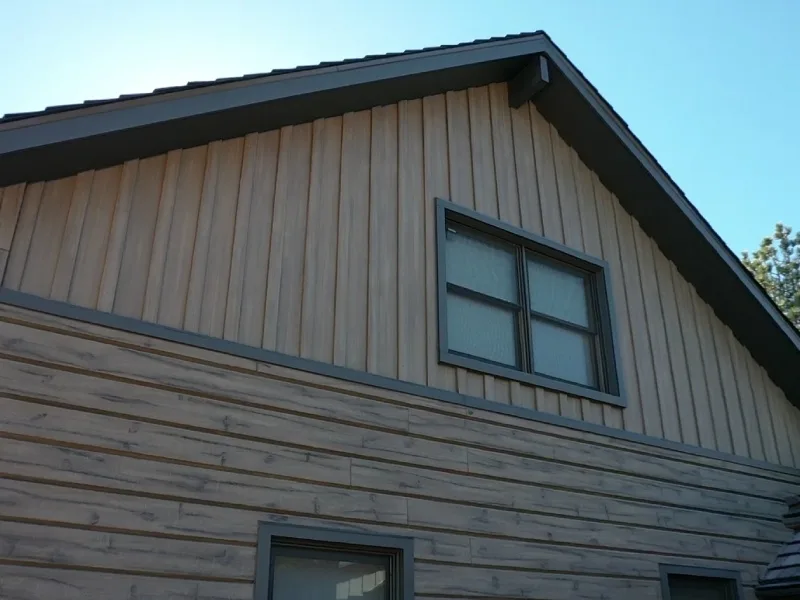
Elevate your home's exterior with the timeless beauty of board and batten siding. This classic style features vertical boards accented by thinner battens. It creates a clean, beautiful aesthetic that complements various architectural styles.
BenefitsVertical Profile, Multiple Materials, Fire Rating Follows Material
GS Exterior Experts are a licensed and insured commercial siding contractor with a proven track record of success, recognized by industry leaders for our quality craftsmanship.
BenefitsNon-Combustible Options, Reduced Maintenance Cycles, Phased Scheduling, Potential Insurance Benefits, Single Point of Contact
For apartment, condominium, and townhome communities, we install siding building by building with tenant notice and daily site clearance, coordinated around occupancy.
BenefitsConsistent Finish Across Buildings, Phased Installation, Reduced Maintenance
Here’s every material we install, comparing their fire rating, warranty, upkeep, and how each one handles hail. Where a cell says confirm, the answer depends on the exact product line. Contact us, and we’ll have that figure for you at an estimate.
| Material | Fire | Substrate warranty | Finish warranty | Maintenance | Hail behaviour |
|---|---|---|---|---|---|
| James Hardie | Noncombustible, ASTM E136 | 30 yr non-prorated | 15 yr ColorPlus® | Wash only | Resists denting; can chip |
| LP SmartSide | Combustible | 5/50 limited | Varies by finish | Repaint unless prefinished | Covered to 1.75″ |
| Diamond Kote | Combustible substrate | 5/50 on substrate | 30 yr no-fade | None | As LP SmartSide |
| Nichiha | Noncombustible, 5/16″ | Confirm | Confirm | Wash only | As fiber cement |
| Woodtone | Follows substrate | Substrate maker’s | 20 yr fade | None | Follows substrate |
| EverLog | Class A, ASTM E84 | 50 yr limited | Included | Wash only | Resists impact well |
| Stone & brick veneer | Noncombustible | Confirm | n/a | Repoint joints | Very resistant |
| Stucco | Noncombustible | System-dependent | n/a | Crack repair | Resists; can chip |
| Steel | Noncombustible | Confirm | Coating-dependent | Wash only | Dents |
| Metal | Noncombustible | Confirm | Coating-dependent | Wash only | Dents; gauge matters |
| Aluminium | Noncombustible | Confirm | Coating-dependent | Wash; chalks | Dents readily |
| Vinyl | Combustible | Varies by line | Through-body color | No painting | Cracks in cold |
| Cedar | Combustible | n/a | Field-applied | Re-stain 3 to 7 yr | Marks and dents |
Your siding isn’t waterproof, and it isn’t supposed to be. The water-resistive barrier and flashing behind it are what keep water out of the wall. That’s where installations succeed or fail.
Three details determine whether an installation lasts.
Every material moves with temperature. Vinyl has to hang loose enough to slide. Fiber cement has to be nailed to depth without overdriving. Get it wrong and you see buckling or cracking within a season, and it shows from the street.
Manufacturers set minimums at grade, roof lines, and decking. These are warranty conditions, not suggestions, and they’re the details most often missed on a fast job.
Field-cut fiber cement needs sealing. Cut steel needs touch-up. Skipped, that’s where deterioration starts, and it won’t show for years.
Manufacturer warranties depend on installation to the published spec. We install it, register your warranty, and hand over the paperwork.
It is a classification under ASTM E136, meaning the material does not contribute fuel to a fire. It is distinct from a Class A flame-spread rating under ASTM E84, which measures how fire travels across a surface. Some materials hold both. Note that the classification covers the substrate, not paint applied over it.
They cover different things and usually run for different terms. James Hardie, for example, warrants the fiber cement board for 30 years and the ColorPlus finish for 15. A quote that mentions only one figure is telling you half the story.
Very little on its own. Cladding contributes negligible R-value, and the insulation that matters sits in the wall behind it. Insulated vinyl is the exception, adding roughly R-2 to R-3. The real opportunity is that a re-side opens the wall, which is the practical moment to improve the insulation itself.
In designated WUI areas the code can require noncombustible or ignition-resistant cladding. Fiber cement, stucco, masonry veneer, steel, and concrete products qualify. Wood, engineered wood, and vinyl do not. Requirements vary by jurisdiction, so we check what applies at your address.
Compare warranty terms rather than lifespan estimates, since warranty terms are what a manufacturer will actually stand behind. Fiber cement carries 30 years non-prorated; engineered wood 5/50; vinyl varies widely by product line.