
Summary:
- Best options: Insulated vinyl (highest R-value), steel (reflective surface), fiber cement (looks like wood, good insulation).
- Consider lighter colors for siding to reflect sunlight and keep your home cooler in summer.
- Proper installation is crucial to maximize energy savings.
Let’s face it, keeping our homes comfortable year-round can come at a cost. But what if there was a way to improve your home’s energy efficiency without breaking the bank? The good news is, there is!
Choosing the right siding for your home can significantly reduce your energy needs and keep those monthly bills in check.
Today, we’re going to explore the world of energy-efficient siding. We’ll go over your options and help you find the perfect fit for a more comfortable and cost-effective home.
What is Energy-Efficient House Siding?
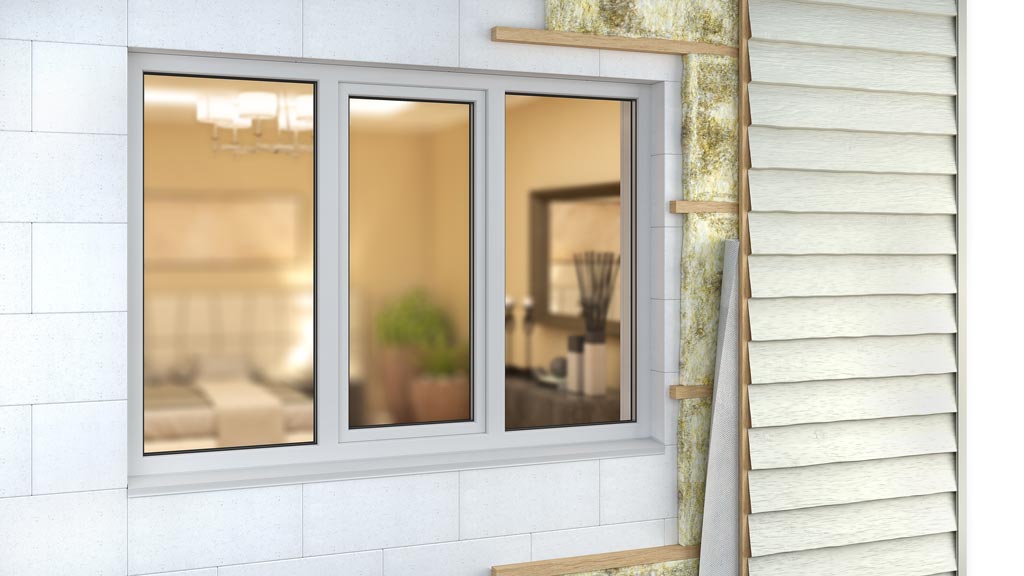
Beyond keeping the elements out, the right siding can play a key role in regulating your interior temperature. This is where energy-efficient siding comes in.
It’s specifically designed to act as an additional layer of insulation for your home. This insulation helps to resist heat transfer, keeping your home cooler in the summer and warmer in the winter.
By reducing the amount of work your HVAC system needs to do to maintain a comfortable temperature, energy-efficient siding can lead to significant savings on your energy bills.
To understand how effective siding is at insulation, we need to talk about R-value.
R-value measures a material’s resistance to heat flow. The higher the R-value, the greater the insulating power. So, when choosing energy-efficient siding, you’ll want to look for options with a high R-value.
Most Energy-Efficient Siding Options
Insulated Vinyl Siding
This type of siding is the most energy-efficient with the highest R-value. It can reach up to 4.0 thanks to a layer of foam insulation sandwiched between the vinyl panels. This translates to significant year-round energy savings.
Insulated vinyl is also known for its affordability, durability, and low maintenance requirements. It comes in a variety of styles and colors, making it a versatile choice for any home.
Steel Siding
Steel siding is a strong contender for energy efficiency, particularly in hot climates. Its reflective surface helps deflect the sun’s rays, keeping your home cooler during the summer months. As a result, you’ll rely less on air conditioning, which can lower energy bills.
Steel siding is also incredibly durable, low-maintenance, and comes in both insulated and non-insulated options.
While not quite as high as insulated vinyl, insulated steel siding can still offer a respectable R-value. This makes it a great choice for those seeking a balance of performance and aesthetics.
Fiber Cement Siding
If you love the classic look of wood but want the benefits of modern materials, fiber cement siding is a great option.
Although its R-value is less than 1, it provides better insulation than traditional wood siding.
Fiber cement is fire-resistant, durable, and can mimic the look of wood with less maintenance. While it may not be the absolute leader in energy efficiency, it can still be a good choice for those prioritizing aesthetics alongside some energy-saving benefits.
Other Energy-Efficient Siding Considerations
Choosing the right siding for energy efficiency goes beyond just the material itself. Here are a couple of additional factors to keep in mind.
Color
Did you know that lighter-colored siding can actually improve your home’s energy efficiency? Lighter colors reflect more sunlight, which can help keep your home cooler in the summer.
Darker colors may add a touch of sophistication, but they tend to absorb more heat, making them less ideal for hot climates.
Installation
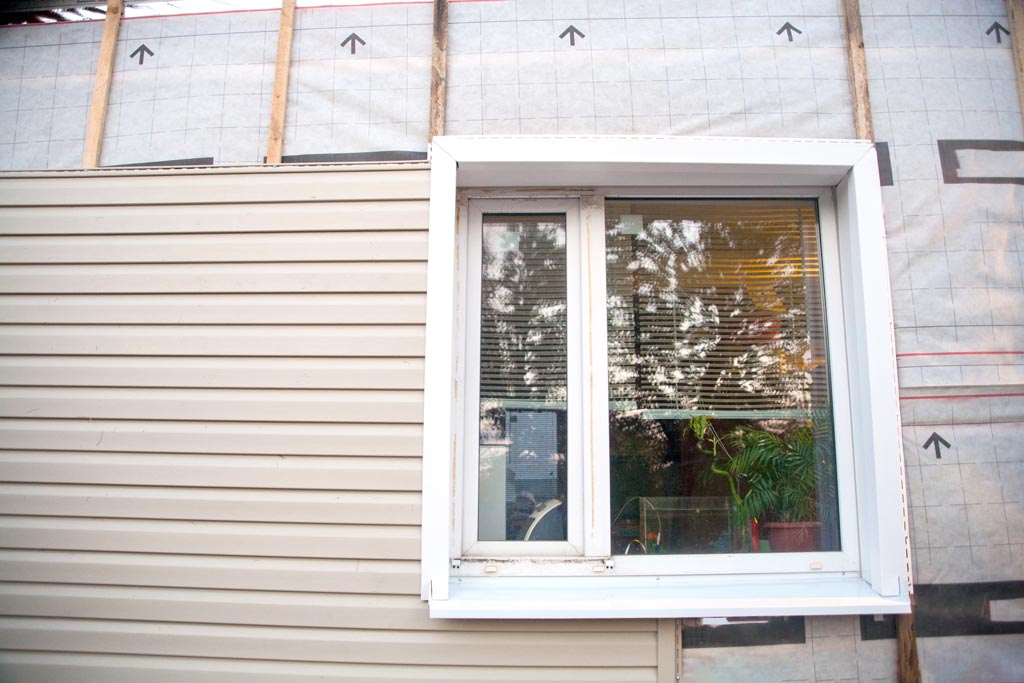
Even the most energy-efficient siding won’t perform at its peak if it’s not installed properly. Improper installation can leave gaps and air leaks, negating the insulating benefits of the siding.
That’s why it’s crucial to choose a qualified and experienced contractor who specializes in energy-efficient siding installation. They’ll ensure a tight seal and maximize the potential energy savings of your new siding.
Your Path to a More Energy-Efficient Home Starts Here
Choosing the right siding for your home is an investment, but it’s one that can pay off in significant ways. By opting for energy-efficient siding, you can enjoy a more comfortable living environment year-round and save money.
We’ve explored some of the top options, but remember, the best siding for your home will depend on your specific needs, climate, and budget.
Ready to get started? Explore all of our siding product options, including a wide range of energy-efficient options.