
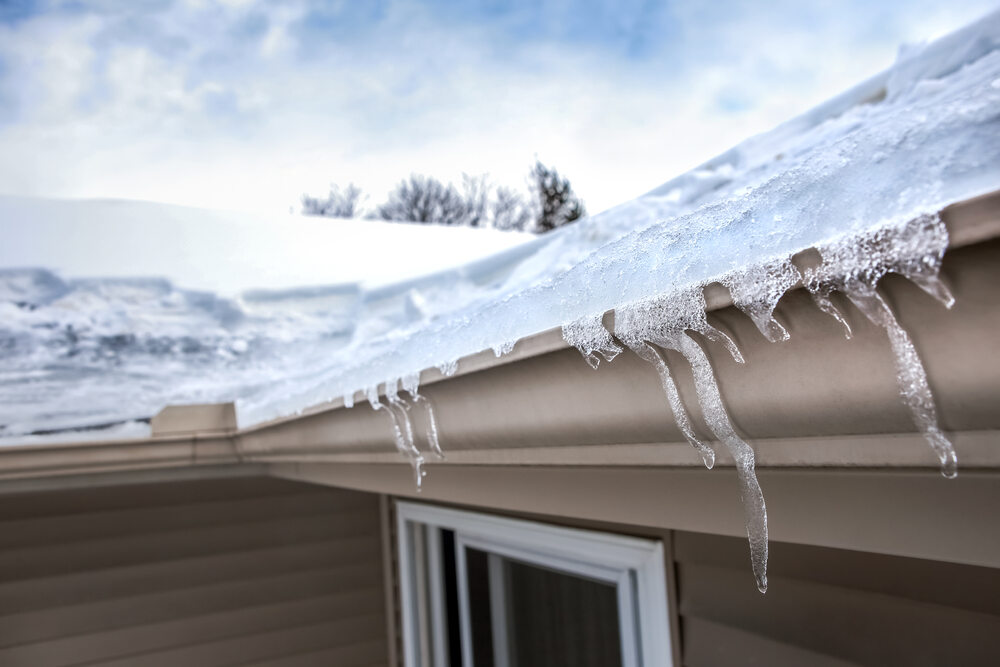
Colorado’s beauty can be a double-edged sword for your home’s exterior. The sunshine and mountain views are undeniably stunning. However, frequent freeze-thaw cycles, heavy spring snow, and summer monsoons can all wreak havoc on your house exterior.
One of the first lines of defense is your siding which can be particularly susceptible to water damage. Left unchecked, this moisture intrusion can lead to expensive repairs and even structural problems.
The good news is that you can take control. By knowing the early warning signs of water damage, you can address the issue promptly and avoid a major headache.
Let’s explore the four key signs of water damage to siding specific to Colorado’s climate.
1. Warping, Blistering, and Bulging
Imagine your siding is like a tightly stretched canvas. Normal temperature changes cause it to flex slightly, but when water gets behind it, that canvas has nowhere to go. This trapped moisture can cause the siding to warp, pushing outwards in a wavy pattern.
For example, water damage behind vinyl siding can manifest as blistering. This is where the surface separates from the backing material and forms bubble-like protrusions.
More severe cases might even cause the siding to bulge outwards, putting stress on the underlying structure.
2. Cracked or Split Siding
The freeze-thaw cycles in our region can make existing cracks in siding worse. When water gets trapped in these cracks and freezes, it expands and widens the gaps, potentially causing new fractures. This weakens the siding’s protection and can also cause unattractive damage.
Cracked siding lets more water behind it, which leads to rot in the sheathing and eventually to structural problems. Worth checking the south and west elevations first, since those take the most sun and the most freeze-thaw movement.
3. Peeling Paint and Stained Siding
A healthy coat of paint acts as a protective barrier for your siding. However, water can break down the adhesive properties of paint, causing it to peel and crack. This can expose the underlying siding material to further moisture damage. On top of that, it can detract from the overall look of your home.
You’ll also want to keep an eye out for stains on your siding. Particularly along the bottom edges or near areas where water runoff might collect. This can be a telltale sign that water is running down the exterior walls, potentially seeping behind the siding.
Early detection and repainting with high-quality paint can go a long way in preventing more serious issues.
4. Rotting Wood Underneath Siding
Wood siding held against moisture will eventually rot, and so will the sheathing behind any siding if water gets past it. Rot is fungal, and it turns sound timber soft and spongy, usually starting somewhere you cannot see.
Press a screwdriver into any area that looks discolored or feels soft. If it sinks in easily, the rot is further along than it looks. Look out for any soft spots in the siding. Catching wood rot early is crucial to prevent the need for extensive (and expensive) repairs.
Taking Action: Don’t Let Water Damage Win
Discovering signs of water damage to your siding can feel overwhelming. But remember, catching the issue early is key to preventing costly repairs and structural problems. So, what should you do?
Contact GS Exterior Experts, and we’ll come out and look at it. We assess how far the moisture has traveled, find where it is getting in, and tell you honestly whether you’re looking at a repair or a replacement.
Spotted One of These Signs?
Water damage is one of the few exterior problems that gets meaningfully worse and more expensive the longer it sits. If you have seen warping, cracking, staining, or a soft spot, it is worth getting looked at before the weather turns. Have a look at our siding options if you are already thinking about replacement. Contact GS Exterior Experts, and we will come out and tell you what you are dealing with.
Frequently Asked Questions About Water Damage to Siding
What Happens When Water Damage is Behind the Siding?
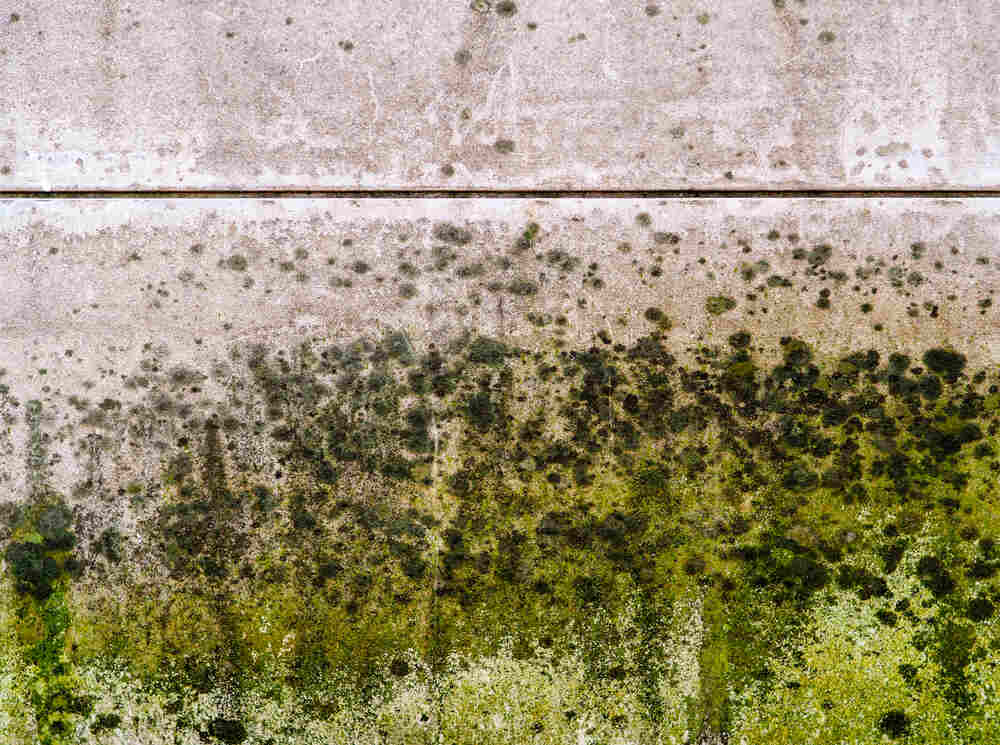
Water trapped behind siding can lead to a cascade of problems. As we’ve discussed, it can cause warping, blistering, and cracking of the siding material itself. More importantly, it creates a damp environment perfect for mold growth and wood rot.
When Does Water-Damaged Siding Need Complete Replacement?
It depends on how far the moisture has traveled and whether the wall assembly behind the siding has been affected. Damage on one elevation, caught early, is often a repair. Full replacement makes sense when the sheathing has rotted, when moisture keeps finding its way back in, or when the weather barrier itself has failed, since patching over any of those leaves the problem in place.
If you are replacing, fiber cement is worth considering. It does not absorb water the way wood does, so it will not rot, and it stays dimensionally stable through freeze-thaw rather than opening up at the joints. Worth knowing that no cladding is waterproof. What keeps water out of your wall is the weather-resistive barrier and the flashing behind the siding, which is why a replacement is also the moment to get those right.
Does Homeowners Insurance Cover Water Damage to Siding?
Homeowners’ insurance policies typically cover sudden or accidental water damage. If a burst pipe or unexpected storm causes water to infiltrate your siding, your insurance might offer protection.
However, water damage caused by poor maintenance or lack of proper weatherproofing might not be covered. The specifics of your coverage will vary depending on your individual policy. It’s crucial to carefully review your homeowners’ insurance policy documents to understand your coverage.