
Summary:
- Fascia is the horizontal board running along the roof’s lower edge, covering the rafter ends and carrying the gutters.
- Roof fascia and deck fascia serve the same purpose in different places: covering framing ends and finishing an exposed edge.
- Material choice matters more in Colorado, where freeze-thaw cycling, hail, and wildfire exposure all test the roofline.
- GS Exterior Experts works on roofline components across the Denver metro.
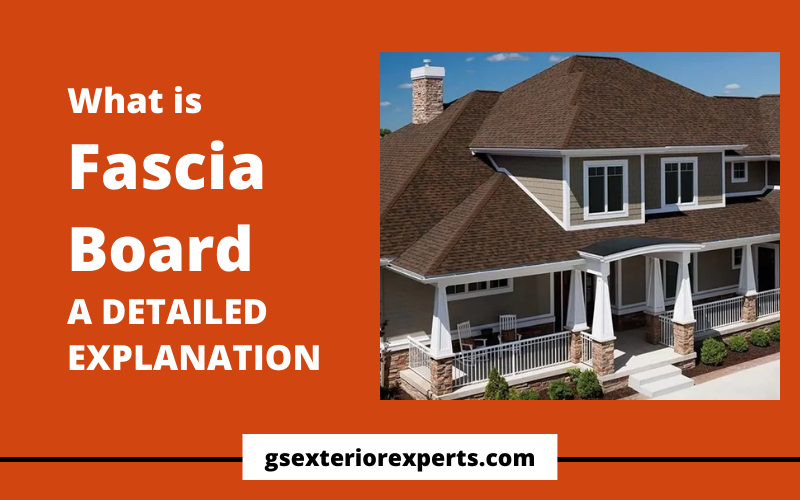
A fascia board is the long horizontal board running along the lower edge of your roof, right behind the gutters. It caps the exposed ends of the rafters and gives the roofline a finished edge. If you have ever looked at a house and noticed the clean band of trim under the shingles, that is fascia.
Most homeowners only learn the word when something goes wrong with it. GS Exterior Experts has worked on Denver-metro rooflines since 1999, and fascia is where we find early evidence of gutter overflow, ice damming, and hail damage. Here is what it does, what it is made of, and where it shows up beyond the roof.
What Is Fascia Board?
Fascia is a Latin word that means band or strip of material. In architecture, fascia boards or just fascia are the horizontal boards that extend along the edge of the roof. It is made from wood, fiber cement, PVC, vinyl, or aluminum, with wood still the most common on older Denver-area homes. Moreover, it’s one part of the roofline, alongside soffit and gutters, rather than the roofline itself.
Fascia carries the gutter system, which is why it sits at the eave, along the lowest edge of the roof where water runs off. Fascia gives the roofline a clean finish and boosts curb appeal, but its job is to work. It shields the rafter ends from weather and gives the gutters something solid to hang from.

What Is Fascia Board Made Of?
Fascia boards are made of multiple materials, each of which has unique properties, advantages, and disadvantages. Some of the most common materials used to make fascia boards are:
- Wood
- PVC
- Fibre Cement or Composite Fascia Board
- Vinyl
- Aluminum
Material choice carries more weight in Colorado than in milder climates. Homes in Wildland-Urban Interface zones face requirements that reach the roofline, since gaps at the fascia and soffit let embers reach the attic. The state fire agency publishes the standards in the Colorado Wildfire Resiliency Code, and our guide to fire-resistant roofing for Colorado wildfire areas covers the roof assembly alongside it.
What is a Fascia Board On A House?
Many homeowners often ask, ” What is a fascia board on a roof? You may have seen it but thought of it as something else. When it comes to the roof, there are many components that are intermixed. A fascia board is neither trim nor soffit. There are multiple parts of a roofline, which have distinct significance but work together to create a great defense line against moisture and provide a fine finished appearance. Let’s differentiate them from one another.
- Trim is the finish material that closes joints and transitions around the roof edge, helping keep water out. Most of the time, fascia is used as trim called fascia trim. Trim is made mainly of wood, but it also comes in affordable alternatives made of PVC, polystyrene, and polyurethane.
- Soffit is the finish material covering the underside of the roof overhang, and it works directly with the fascia. It comes in wood, fiber cement, vinyl, and aluminum, and vented versions feed airflow into the attic.
Fascia runs horizontally along the roof edge, fastened to the ends of the rafters or truss tails. On a home with an overhang, it sits out past the exterior wall rather than against it.
What is the Fascia Board Used For?
The primary function of the fascia board is to obstruct the moisture penetration inside and outside the home. As a result, it keeps gutters well in their place, optimizing their function. Fascia also backs the drip edge and the first course of roofing, keeping the roof edge straight and supported.
The stylish and sleek finish of the fascia board adds great aesthetic value to your home. You can find a variety of fascia boards in a variety of colors and designs. Choose one that complements the architecture and style statement of your house.
Fascia wears out, and in Colorado, it wears out faster. Overflowing gutters, ice damming, and hail all attack the same board. Failing fascia often surfaces during a roof assessment, which is one reason our breakdown of when to replace or upgrade a Colorado roof treats the roofline as part of the system. It is important to upkeep them so that they can perform optimally for a long time.
What is a Fascia Board On A Deck?
Deck fascia does the same job in a different place. It wraps the perimeter of the deck frame, hiding the rim joist and the cut ends of the joists behind it. The material question is sharper here than on a roof, because deck fascia sits closer to the ground and takes more splash, snow load, and debris. It is also part of what makes a deck vulnerable to embers, a point covered in our assessment of whether your deck is a wildfire risk.
If the fascia is soft or pulling away, the framing behind it usually deserves a look too. Our deck building and replacement team handles both.
What Size Is Fascia Board?
Fascia is typically 1-inch nominal stock, sized so its width covers the depth of the rafter tail it conceals. A 2×6 rafter usually takes a 1×6 fascia, a 2×8 takes a 1×8, and so on up.
Get Your Roofline Checked Before It Costs You
Fascia rarely fails on its own. By the time a board goes soft, water has usually been finding its way behind the gutter for a season or more, and the framing behind it tells the real story.
GS Exterior Experts has worked on Denver-metro rooflines since 1999, and we assess fascia, soffit, and gutters as one system rather than three separate line items. Contact GS Exterior Experts today to schedule an assessment. Our roofing services cover the full roof edge, and our residential deck building team handles deck fascia and framing. Homeowners planning wider work often fold it into one of the exterior upgrades worth doing on a Colorado home.