
Summary:
- A Class 4 rating measures resistance in a standard impact test; it does not mean a roof cannot suffer visible or functional hail damage.
- A premium discount depends on your carrier, product, and policy; ask for the amount in dollars.
- Cosmetic exclusions, wind and hail deductibles, and roof settlement terms deserve review before you buy.
- Compare the installed upgrade price with your written insurance quote and the product’s performance record.
A Class 4 rating can make an impact-resistant shingle worth considering in hail-prone Colorado. It does not make the roof hailproof or guarantee cheaper insurance. Before buying class 4 shingles, ask how your insurer would cover roof damage, what deductible applies, and whether an exclusion changes the protection you expect.
At GS Exterior Experts, we compare roofing products and installation scope. Your insurer explains policy terms. Review both before deciding whether the upgrade makes sense.
Hidden Catch #1: A Discount Does Not Define Your Coverage
Some insurers offer a premium credit for an eligible impact-resistant roof. The credit and the terms of coverage are separate questions: a lower bill alone cannot tell you what a future hail claim will pay.
Cosmetic and Functional Damage Are Different Questions
Hail can leave visible marks without immediately opening a path for water. Other impacts can tear or breach a shingle. How an insurer classifies and covers the resulting damage depends on the policy language and the findings of its claim review. A roofer can document conditions; the insurer determines coverage under the policy.
Read Any Cosmetic Damage Exclusion
A cosmetic damage exclusion can limit payment for appearance-only damage, but it is not an automatic requirement for every Class 4 discount. Ask your agent whether one applies to your roof, what surfaces it covers, and how it defines cosmetic versus covered physical damage. Review the actual endorsement, not a verbal description of it. The Colorado Division of Insurance’s homeowner toolkit explains that endorsements change policy terms and exclusions identify risks the policy does not cover.
Visible dents may matter when selling, depending on the roof and buyer. For multiple buildings, impact-resistant shingles for Denver multifamily roofs pose a larger purchasing decision.
Hidden Catch #2: Class 4 Is a Test Rating, Not a Storm Guarantee
The rating is a useful starting point for comparing roof coverings. It describes performance under a specific laboratory test, while hailstones and roof conditions vary outdoors.
What Does UL 2218 Measure?
UL 2218 uses steel-ball impacts to classify roof-covering materials. Class 4 is its highest impact-resistance category. UL Solutions says the test assesses physical breach viewed from the back of the shingle; it does not measure every visible dent or instance of granule loss. A passing result should not be translated into a promise that the finished roof will look untouched after a storm.
Why Product Choice Still Matters
IBHS tests impact-resistant shingles with laboratory-made hailstones and examines dents, tears, and granule loss. Its 2025 ratings found meaningful differences among products sold as impact-resistant. Hail is not the only rating that matters here either, since Colorado’s wildfire code sets its own requirements for roofs in mapped WUI areas. Weathering and prior impacts may also change performance over time, but there is no sound universal rule that every Class 4 shingle loses its rating after five or ten years.
Ask for the exact product name and rating. Some Class 4 shingles use polymer-modified asphalt; others rely on reinforcement. Our Class 4 roofing options include product details, and Owens Corning roofing systems may require matching components.
Hidden Catch #3: A Discount Is Only One Part of the Math
The question, “Are class 4 shingles worth the extra cost?”, needs two quotes: the installed roof price and your insurer’s written premium with the qualifying product. Avoid relying on a generic discount percentage or a promised payback period.
Check the Dollar Savings and Renewal Terms
Ask what part of the premium receives a credit and how many dollars it saves on the current quote. Confirm what documentation the carrier needs after installation. Then set that against the real number: our roofing prices give you the upgrade cost, and financing matters if the discount takes years to close the gap. Future premiums and discount rules can change at renewal, so calculate the upgrade using the current offer and ask the carrier how a change would be communicated.
Calculate Your Wind and Hail Deductible
Your deductible is the amount you pay toward a covered claim before insurance pays. If a policy uses a percentage of insured dwelling coverage, convert it to dollars. For example, 2% of $500,000 is $10,000. This is a hypothetical calculation, not a standard Colorado deductible or a prediction of a claim payment. A Class 4 rating does not erase the deductible.
Ask How a Roof Claim Is Settled
Check whether the roof carries replacement cost coverage, actual cash value with depreciation, or a roof-specific payment schedule. The Colorado Division of Insurance defines actual cash value as replacement cost minus depreciation, so the older the roof, the wider that gap. Worth knowing how long a roof typically lasts before the schedule starts working against you. The precise payment depends on the covered loss and your policy.
Questions to Ask Before You Choose Class 4 Shingles
Bring the product name and written roofing quote to your insurance agent. Ask for written answers to these questions:
- What annual dollar discount applies to this exact roof product, and what proof must I submit?
- Does any cosmetic damage exclusion apply to the roof, gutters, or other exterior surfaces?
- What is my wind and hail deductible in dollars at the current dwelling coverage limit?
- Would covered roof damage be settled at replacement cost, actual cash value, or under a separate schedule?
- If I renew, what terms or discounts could change, and where will those changes appear?
Compare the installed upgrade cost with the quoted savings. Request and review any applicable endorsement.
Class 4 Shingle Benefits and Insurance Realities
Use the roof rating to compare materials, and the policy documents to compare financial outcomes. Neither substitutes for the other.
| Topic | What the rating or quote can tell you | What to verify |
| Hail performance | The product passed a specified impact test | Product-specific performance and warranty conditions |
| Visible hail marks | The rating does not rule them out | Any cosmetic damage exclusion |
| Premium savings | An eligible roof may earn a credit | Current annual savings in dollars and required proof |
| Claim payment | Coverage depends on policy terms | Deductible, exclusions, and roof settlement method |
These answers can show whether an impact-resistant roof meets your priorities even when the premium savings alone do not repay the upgrade.
Compare the Roof and Policy Before You Commit
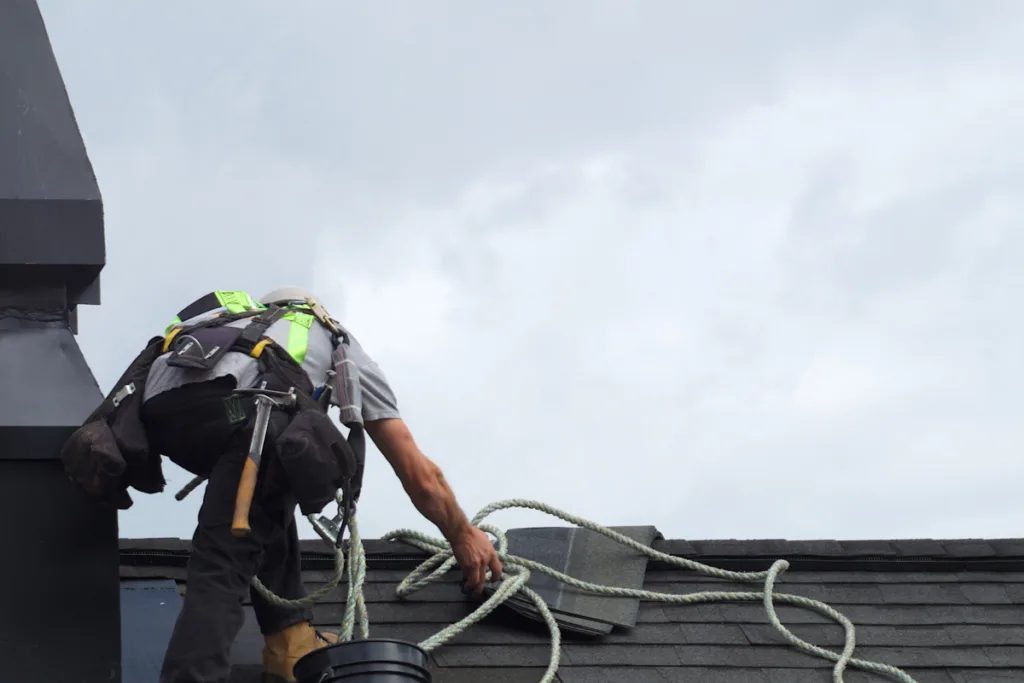
Class 4 is a meaningful impact rating, but the best choice depends on the actual product, installed price, and coverage you will carry. Get the insurer’s terms in writing and have your agent explain any endorsement you do not understand. A roofing contractor can assess the roof and installation options; it cannot promise a claim outcome.
If you are planning a roof replacement, contact GS Exterior Experts to compare appropriate products and a clear project scope for your Colorado home. Pair that roofing proposal with your insurer’s written quote before you choose Class 4 shingles.