
Summary:
- Check roof valleys and gutters for debris that can slow drainage.
- Look for loose flashing, worn shingles, and damaged seals around roof vents and pipes.
- Inspect accessible attic areas for moisture, blocked vents, and insulation concerns.
- Arrange a professional roof inspection when damage is visible or ice buildup keeps returning.
Colorado can move from a mild fall afternoon to freezing weather quickly. A prewinter check gives you time to find blocked drainage, loose flashing, or damaged shingles before snow hides them. The goal of fall roof maintenance is to identify problems while they are still visible, then decide which need cleaning, repair, or a closer inspection.
At GS Exterior Experts, we look beyond the shingle surface when evaluating a roof. Valleys, penetrations, edges, and attic conditions can all affect how the roof handles snowmelt. Here are five spots worth checking before the first major storm.
Spot #1: Roof Valleys and Gutter Lines
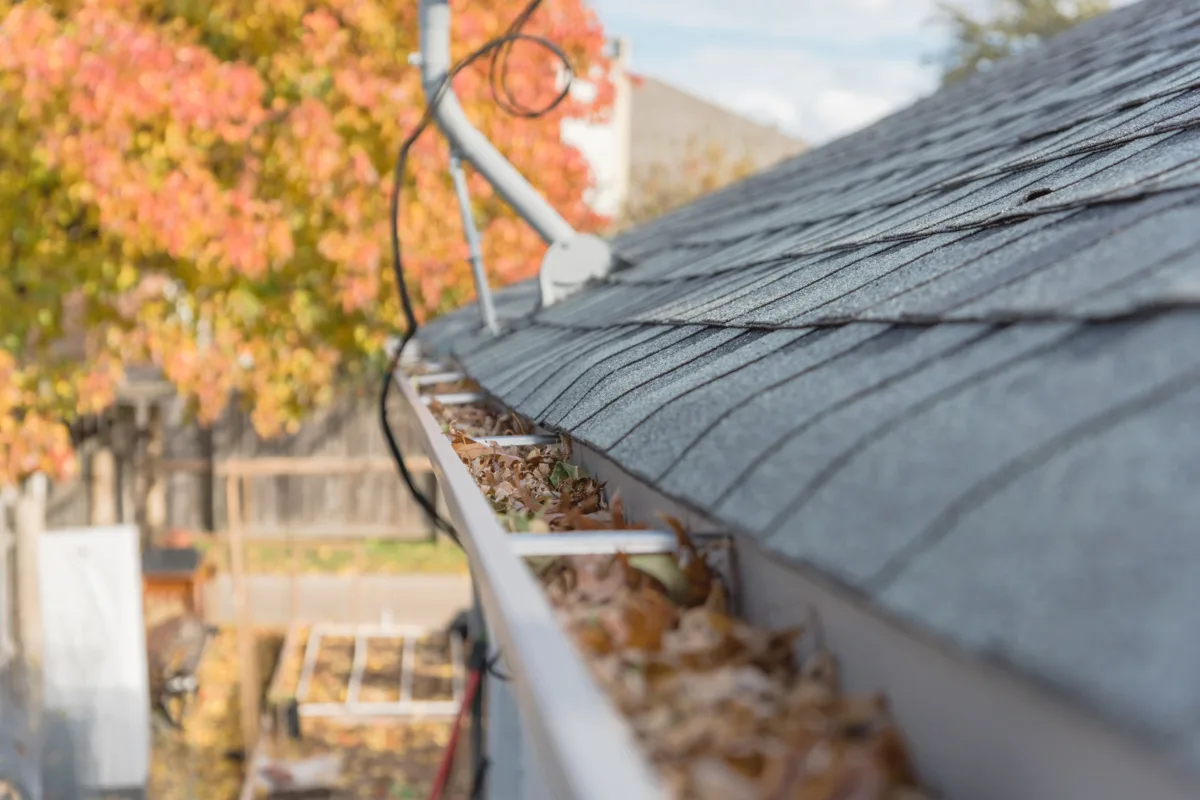
Valleys collect runoff from two roof slopes, along with pine needles, aspen leaves, and twigs. Debris can slow drainage and keep parts of the roof wet longer than expected.
Check these drainage points from a safe location:
- Valleys: Look for leaves or branches packed where two slopes meet.
- Gutters: Watch for visible buildup or water spilling over an edge.
- Downspouts: Confirm that outlets are open and discharge away from the home.
Clear gutters help snowmelt drain, but gutter debris alone does not explain every ice dam. Ice dams can form when meltwater refreezes at a colder roof edge, even on a roof without gutters. The National Roofing Contractors Association’s roof maintenance guidance recommends checking for debris and visible roof defects during fall maintenance.
Spot #2: Flashing Around Chimneys, Skylights, and Sidewalls
Flashing protects the joints where roofing meets a wall, chimney, skylight, or other raised feature. These transitions deserve attention because water can enter through an opening that is hard to see from the ground.
Look for Gaps and Displaced Metal
Lifted edges, corrosion, separated joints, or staining nearby may signal a problem. Snow can remain against these areas after exposed sections of the roof begin to thaw. A professional should check the flashing and surrounding roofing before choosing a repair.
Treat Repeated Leaks as a Wider Clue
A new bead of sealant may cover a gap without correcting the failed detail beneath it. If leaks recur at several roof transitions, the assessment should extend beyond one spot. Roof age and accumulated weather damage also affect when a roof may need replacement.
Spot #3: Shingle Edges and Granule Coverage
Look across visible slopes for missing shingles, cracks, curled edges, or sections that no longer lie flat. Wind and hail damage can be difficult to judge from the ground, so document what you see without climbing onto the roof.
Check for Bare Patches
Granules help protect asphalt shingles. A few granules in a gutter do not prove that a roof is failing, but concentrated bare areas alongside cracking or other wear call for a closer inspection.
Note Lifted or Missing Shingles
A raised edge can leave the roof more exposed to wind-driven rain or snow. Avoid pulling up a shingle to test its seal. An inspection can establish whether the issue is isolated or part of broader wear, then guide the choice between repair and Colorado roofing and storm restoration options.
Spot #4: Pipe Boots, Roof Vents, and Other Penetrations
Plumbing pipes and vents pass through the roof covering, so each opening needs a sound flashing detail. From a safe vantage point, look for a split pipe boot, displaced metal, or a damaged vent cover. Water staining beneath a penetration in an accessible attic is another reason to investigate.
Also, check whether bathroom and kitchen exhaust ducts discharge outdoors as designed. Warm, moist air released into an attic can create a separate moisture problem. Have a qualified professional assess a suspected duct or roof penetration issue rather than assuming the nearest visible stain marks the leak’s exact location.
Spot #5: Attic Air Sealing, Insulation, and Ventilation
The attic can show signs that are invisible on the roof surface. Look for damp insulation, water staining, blocked soffit vents, or gaps that allow warm indoor air into the attic.
Understand the Ice Dam Cycle
Snow can melt over a warmer part of the roof, flow downward, and refreeze at a colder edge. The U.S. Department of Energy identifies air sealing, adequate insulation, and appropriate ventilation as ways to reduce the heat transfer behind this cycle. The right fix depends on how the particular roof and attic are built.
Keep the Intended Airflow Path Open
In a vented attic, insulation should not block airflow at the soffits. Recurring ice buildup calls for a look at air leaks, insulation, ventilation, and roof condition together. If the roof is also near replacement, our guide to roof replacement and upgrade decisions in Colorado covers the broader choice.
Colorado Fall Roof Inspection Checklist
Use this checklist to record what you can see safely from the ground or an accessible attic. It can help you describe a concern when scheduling an inspection.
| Inspection spot | Look for | Sensible next step |
| Valleys and gutters | Leaves, needles, blocked outlets | Arrange safe debris removal and check drainage |
| Flashing | Lifted metal, gaps, and nearby staining | Have the full transition inspected |
| Shingles | Missing pieces, curled edges, bare patches | Document the area and assess repair options |
| Pipes and vents | Split boots, damaged covers, attic stains | Check the penetration and its flashing |
| Attic | Damp insulation, blocked vents, air-leak clues | Assess air sealing, insulation, and ventilation together |
Safety note: Do not climb onto the roof or use a ladder during or after a storm. Wind, wet surfaces, snow, and ice make falls more likely, and roof damage may be difficult to see. If a concern requires a closer look, leave roof access to a trained professional. The National Roofing Contractors Association also advises homeowners to avoid walking on the roof when inspecting it.
Get Your Roof Ready Before Snow Covers the Clues
A fall check cannot guarantee a leak-free winter, but it can reveal conditions that are easier to inspect and address before snow arrives. Start with what you can see safely from the ground and inside an accessible attic. Leave roof access and repairs to trained professionals.
If you find missing shingles, suspect flashing damage, or have recurring ice buildup, contact GS Exterior Experts to discuss a professional roof inspection and the appropriate next step. A clear assessment makes fall roof maintenance more useful than a checklist alone.