
Siding replacement quotes vary more than most homeowners expect, sometimes by a factor of two on the same house. Most of that gap comes down to material choice, how much trim work the house has, and what gets found once the old siding comes off.
The size of your home, the number of stories, and the type of siding material you choose will impact the prices and labor costs related to residing your home.
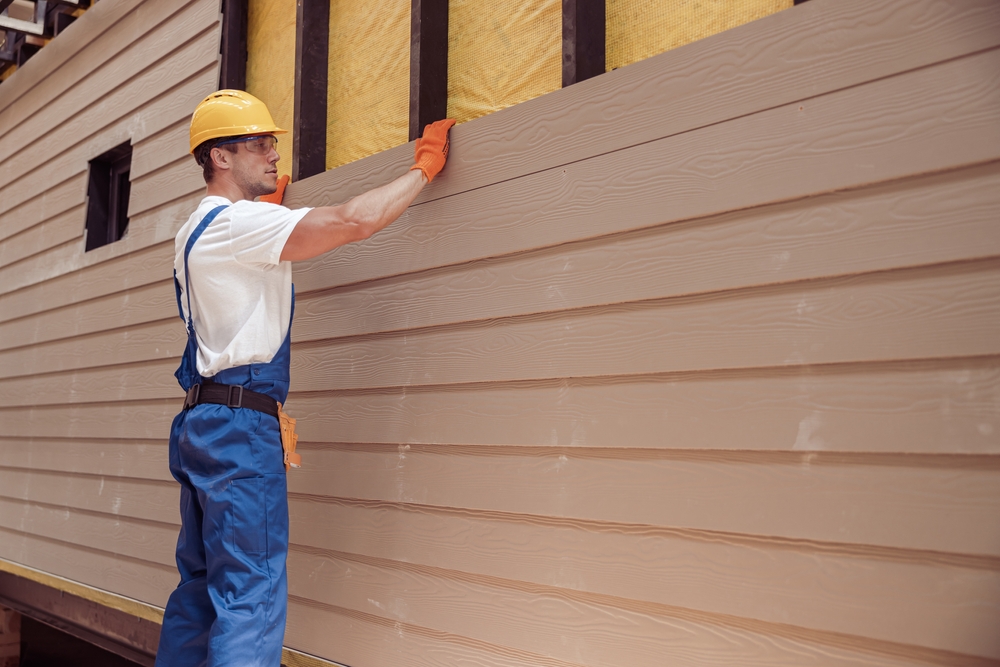
There are various types of siding materials, including vinyl, metal, wood, stone, fiber cement, and brick. Depending on their preferences, contractors who know how to install siding on your house may charge by the hour or by the project.
How Much to Re-side a House?
Cost depends on material, house size, the number of stories, and how much trim and detail work the elevations carry. Rather than quote a national range here, our pricing guide sets out current Colorado figures by material, and our 2025 cost article goes through it in detail.
Two things drive the difference between quotes on the same house. Trim and corner work is priced by linear foot and is labor-heavy, so a house with a lot of gables and dormers costs more than its square footage suggests. Tear-off and disposal is a real line item, and an estimate that covers over existing siding rather than removing it will look cheaper for a reason.
If your home is a plain, rectangular shape, it will cost less for labor than if your home has bends and curves. The exact price will differ depending on customizations, so ask your siding contractor for specifics.
Is Painting or Vinyl Siding Cheaper?
Painting costs considerably less than replacing, so if your siding is structurally sound and you simply dislike the color, paint is usually the sensible route. The decision turns on condition rather than cost. If boards are cupping, swelling at the fastener line, or letting water past, paint buys you a season or two and hides the problem while it continues. If the material is sound, a repaint at five to eight-year intervals is far cheaper than replacement.
Vinyl can appear to fade or look worn after decades. Painting is cheaper than residing with vinyl, but it will only last for a short time in most cases.
Which Siding Will Hold Its Value the Most?
Remodeling magazine’s annual Cost vs. Value report consistently ranks both vinyl and fiber cement siding replacement among the higher-recouping exterior projects nationally. Neither adds value in the sense of returning more than it costs, which is true of almost every remodeling project. In practice, the bigger effect is on the downside. A tired or failing exterior costs you at listing more than a new one gains you.
Is it Worth Re-siding My House?
It depends on what your siding is doing. If it is failing, replacement is not really optional, since water getting past it costs far more to fix than the siding does. If it is sound but dated, that is a cosmetic decision and worth weighing against other uses for the money.
Which Siding Is Best Value?
There is no single best siding. Vinyl costs the least and needs no painting, with color molded through the panel, so scratches do not show a different shade underneath. In Colorado, it fades faster at altitude and becomes brittle in deep cold, so gauge matters here.
Fiber cement costs more and carries a 30-year non-prorated warranty, and it is non-combustible, which matters if your property sits in a wildfire area. Engineered wood sits between the two.
Planning a Re-Side? Decide This First
Get three quotes before you commit. When one comes in well below the others, ask what it leaves out, because usually the answer is tear-off, trim work, or what happens if there’s rot behind the old siding. Have a look at our siding options to see what suits your house.
We’d be glad to be one of those three. We’ve been siding Colorado homes since 1999, and we’ll come out and take a look at what you’ve got before quoting anything. Contact GS Exterior Experts to get started.