Tile Roofing Contractor Serving The Denver Area

Non-combustible, and built to outlast most asphalt roofs several times over.

Tile Roofing Installation in Denver

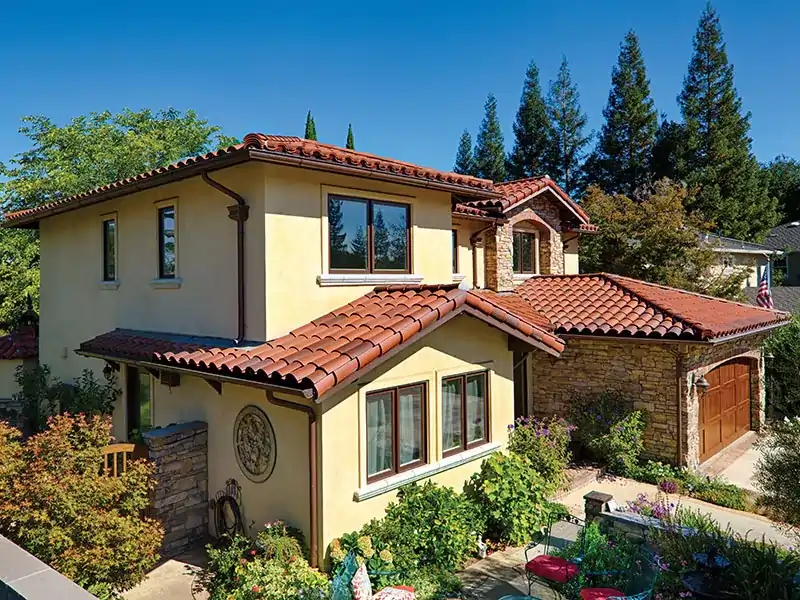
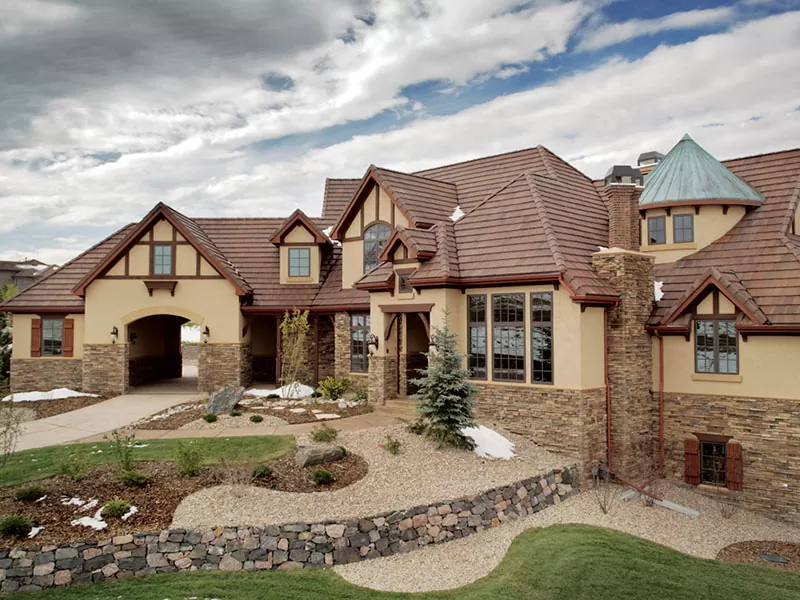
Clay tile roofs are an ideal match for homes with a Spanish or Mediterranean design style, and pair well with stone or brick siding. Beyond the look, tile is non-combustible and among the longest-lasting roofing materials available — a real consideration in Colorado's wildfire-exposed areas, not just a style choice.


Benefits of Tile Roofing

A tile roof is a costly upfront investment, especially if you opt for clay tiles rather than concrete ones. However, clay tiles offer many great benefits including:

  • Non-combustible, Class A-rated assemblies available

  • 50-year service life for concrete, up to 100 years for clay

  • Thermal mass and batten-space ventilation reduce heat transfer

  • Will not rot, warp, or attract pests

  • Minimal maintenance beyond periodic inspection

  • High wind resistance when installed to manufacturer’s specification

  • Wide range of profiles: slate, shake, Spanish mission

  • Fully recyclable at the end of life

Do you want the appearance of a tile roof but not the high cost? Consider beautiful, long-lasting, and economical concrete roofing tiles. At GS Exterior Experts, we can help you choose which option is best for your house. Trust us as your preferred Denver tile roofing contractor for an upgraded roof.

Why Choose Tile Roofing?

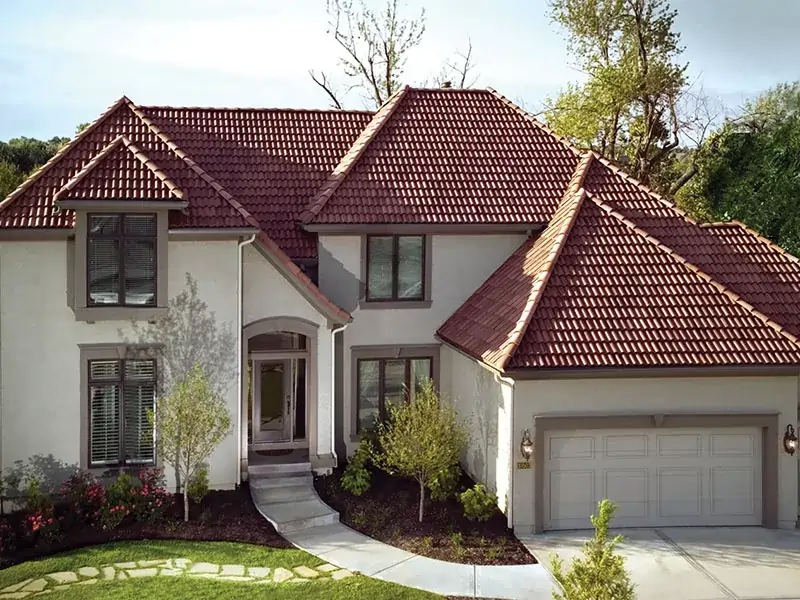
Either way, you’re buying a roof you’re unlikely to replace, which is the main argument for the higher upfront cost. Clay is fired from natural clay and is fully recyclable when it eventually comes off; concrete tile imitates shake and slate profiles at a lower cost. Both reduce heat transfer, partly through thermal mass and partly because tile is installed over battens, leaving an air space above the deck that a shingle roof doesn’t have; though the actual effect on your energy bill depends on your attic insulation and ventilation.

Product Options for Custom Tile Roofing

clay-tile

Clay Tile

Clay roof tile is a high-quality roofing material known for durability and craftsmanship. Its noteworthy features include:

  • Fired natural clay, with a service life of up to 100 years
  • Through-body color, so it does not fade the way surface-coated products do
  • Non-combustible
  • Fully recyclable at the end of life
concrete-tile

Concrete Tile

Concrete roof tile is both beautiful and enduring, making them an effortless choice to complement your lifestyle and increase the value of your home. This tile offers:

  • Roughly half the cost of clay, with a similar look from the street
  • Around 50-year service life
  • Non-combustible
  • Slate, shake, and Spanish mission profiles available

Don’t know which product is the right fit? We can help.

Get Your Tile Roof Installed the Right Way

A tile roof is a long-term decision. for many homeowners, it’s the last roof they’ll buy for the house. The underlayment beneath it will need replacing before the tile does, typically at 20 to 30 years, and we’ll explain that maintenance cycle upfront so the lifetime cost is clear before you decide.

GS Exterior Experts has installed exterior products across the Denver metro since 1999. If you’re ready for a roof built to last generations, [request a quote] to get started on your tile roof replacement.

Recent Tile Roofing Projects

Tile Roofing FAQs

Clay tiles are made from fired natural clay and are known for their color stability and traditional appearance. Concrete tiles are made from a cement-based mixture and are available in a wide variety of profiles and colors. Weight, cost, maintenance, and product specifications vary, so we compare the options for each property.

Not necessarily. Clay and concrete tiles are heavier than many asphalt, metal, and synthetic roofing products. The roof structure, deck condition, slope, local code, and manufacturer requirements should be evaluated before installing tile roofing.

Tile roofing can perform well in Colorado when the product and complete roof assembly are suited to local conditions. Proper underlayment, flashing, fastening, ventilation, and installation details are important because homes may be exposed to hail, snow, wind, and freeze-thaw cycles.

Yes. Clay and concrete tiles can crack or break when struck by sufficiently large hail or by foot traffic. Impact resistance varies by product, and no tile roof should be described as hail-proof.

Clay and concrete tiles can provide a long service life, but the tiles are only one part of the roofing system. Underlayment, flashing, fasteners, ventilation, installation quality, maintenance, and weather exposure all affect the roof’s overall lifespan.