
Summary:
- Dutch Lap: Adds character and dimension with a notched bottom edge, creating a shadow line for a more modern look. May be slightly more expensive to install.
- Traditional: Offers a classic look with clean lines and is easier to install.
- Durability: Both are great if made from quality materials like vinyl. Dutch lap may shed water better due to its design.
- Choose Dutch Lap for: Modern or craftsman-style homes wanting a unique look.
- Choose Traditional Lap for: A timeless look that complements various architectural styles.
Choosing the right siding for your home can be a big decision. It impacts both aesthetics and curb appeal. Here in the Denver area, you want a material that looks great and stands up to our unique climate. But with so many siding options available, which one should you choose?
Today, we’re going to cover two popular choices: Dutch lap vs traditional siding. We’ll help you decide which look and functionality best suit your needs and your home.
The Difference Between Traditional and Dutch Lap Siding
What is Dutch Lap Siding?
Dutch lap siding, sometimes known as German siding or drop siding, can add a touch of character to your home. These horizontal boards have a unique feature – a notched bottom edge.
This clever design creates a shadow line along the siding, adding depth and visual interest. The overall effect? A textured facade with a more substantial and contemporary feel.
This unique look can be a perfect fit for homes with a modern or craftsman architectural style.
What is Traditional Siding?
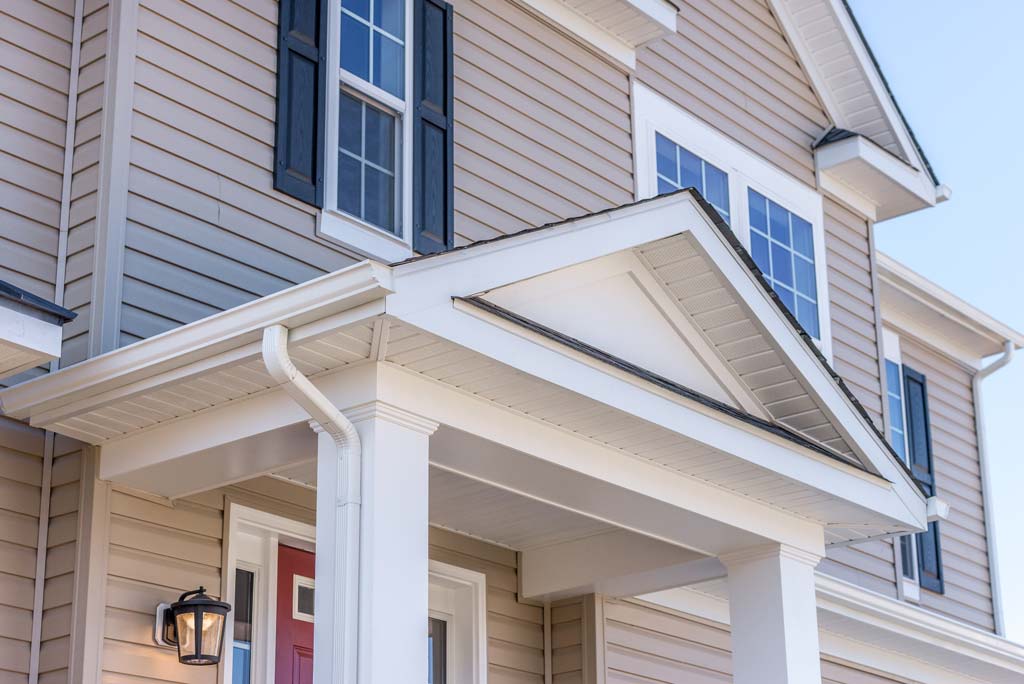
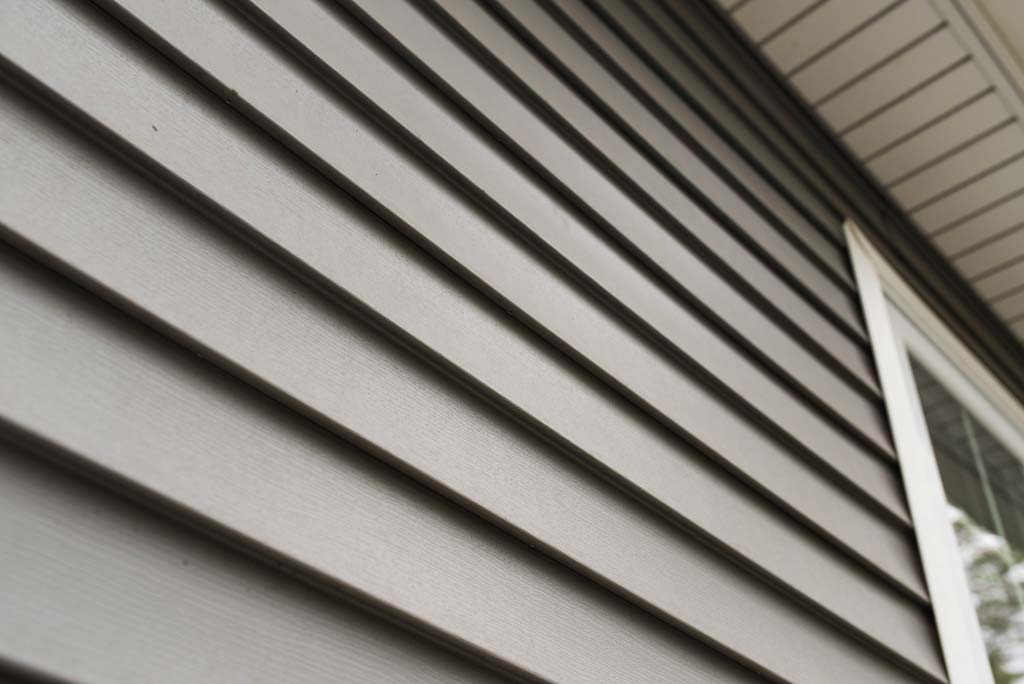
Traditional siding, usually horizontal lap siding, offers a more classic aesthetic. It has clean lines with flat panels that overlap slightly at the edges. This simple design creates a uniform and timeless look that complements a variety of architectural styles, from ranches to colonials.
Traditional siding seamlessly blends with your home’s inherent beauty, enhancing its elegance.
Note: Both Dutch lap siding and traditional siding are types of clapboard siding, distinguished by their profile and visual effect.
Head-to-Head: Dutch Lap Siding vs Traditional Siding
Durability
While appearance is important, a home’s siding needs to stand up to the elements. Here, the material you choose plays a significant role in both Dutch lap vs traditional vinyl siding options.
Material Matters
Both Dutch lap and traditional siding can be made from various materials like vinyl, fiber cement, or wood. Vinyl is popular for its low cost and minimal upkeep. In Colorado, it fades faster under high-altitude UV and becomes brittle in deep cold, so gauge matters more here than in milder markets. Both profiles run horizontally; if you’re drawn to a vertical look instead, board and batten siding is worth a look.
Fiber cement is classified as non-combustible under ASTM E136, where wood is combustible. It handles Denver’s freeze-thaw cycling well. Field-painted fiber cement needs repainting periodically, though factory-finished products carry a 15-year finish warranty and no repaint cycle.
Standing Strong
Both profiles perform the same way in weather, because the profile is not what determines performance. The material is. Choose the material for your conditions first, then choose the profile you prefer. For Colorado that means high-altitude UV, freeze-thaw cycling, and hail rather than the heavy rain that drives siding selection in wetter climates.
Both profiles shed water. The bigger factor is what sits behind them: a correctly installed weather-resistive barrier and proper flashing at openings is what keeps water out of the wall, not the shape of the board face.
The summary block’s suggestion that Dutch lap drains better is worth treating as marginal rather than decisive.
Installation
The installation process for Dutch lap vs traditional siding can have slight variations.
Dutch Lap: Due to its notched design, installing Dutch lap siding might be slightly more complex compared to traditional siding. This could translate to a higher installation cost.
Traditional: Traditional siding, with its flat panels and simpler design, is generally considered easier and faster to install.
Is Dutch Lap Siding Better Than Regular Vinyl Siding?
Ultimately, the choice between Dutch lap and traditional vinyl siding isn’t about one being inherently “better” than the other. It’s about choosing the option that best reflects your vision.
The difference between Dutch lap and traditional vinyl siding boils down to aesthetics.
If you want a touch of character and dimension for your Denver home, Dutch lap siding might be the perfect fit.
If you prefer a timeless look with its clean lines and an uncluttered design, traditional vinyl siding could be for you.
Find Your Perfect Fit
When making your decision, visualize your home with each siding option. Consider the overall style of your house and the vibe you want to create. Do you crave a touch of modern flair or timeless elegance? This can help you solidify your vision and choose the best siding for you.
One practical suggestion before you decide: look at both profiles of real houses rather than samples. The shadow line on the Dutch lap reads very differently at fifty feet than it does on a two-foot board, and it changes through the day as the sun moves. See our siding options, or ask us to point you at streets nearby where we have installed both so you can compare them properly.