
Summary:
- Concrete log siding gives Colorado cabins a rustic log look using a noncombustible material, which can support wildfire-resilience goals.
- EverLog concrete log siding is made from Glass Fiber Reinforced Concrete (GFRC) and carries a Class A fire rating.
- Colorado’s new Wildfire Resiliency Code is pushing homeowners in Wildland-Urban Interface zones toward fire-resistant exterior materials.
- Fire-smart siding is one layer of a larger plan; GS Exterior Experts helps homeowners weigh fit, installation, and the whole exterior.
Colorado cabins have a character that standard siding can’t always match. The warmth of a log-style exterior fits mountain settings, wooded properties, and homes built for a more natural look. But the conversation around that look has changed. With wildfire seasons growing longer and a new statewide building code now in effect, many cabin owners are asking a sharper question than “what looks good?” They’re asking what will actually help protect the home.
That’s where concrete log siding enters the picture. It can preserve the warmth of a classic log exterior while using a material that simply doesn’t burn. At GS Exterior Experts, we help Colorado homeowners decide whether EverLog concrete log siding is a fire-smart fit for their cabin, their location, and their long-term plans.
Why Is Wildfire Resilience Now Part of the Siding Conversation in Colorado?
For years, cabin siding decisions focused mostly on appearance and maintenance. Today, fire is part of nearly every exterior conversation in Colorado’s mountain and foothill communities, and it’s no longer just an informal worry.
Colorado adopted the Colorado Wildfire Resiliency Code (CWRC), effective July 1, 2025, setting statewide minimum standards for fire-resistant construction in Wildland-Urban Interface (WUI) areas. Local municipalities are adopting and enforcing the code, with many moving toward compliance through 2026. In moderate-to-high fire-intensity zones, it points homeowners toward structural hardening measures such as noncombustible siding, Class A roofing, and ember-resistant vents.
For cabin owners, this means siding is no longer just a style decision. The material on your walls can be part of how your home meets or moves toward these standards.
What Makes Concrete Log Siding a “Fire-Smart” Choice?
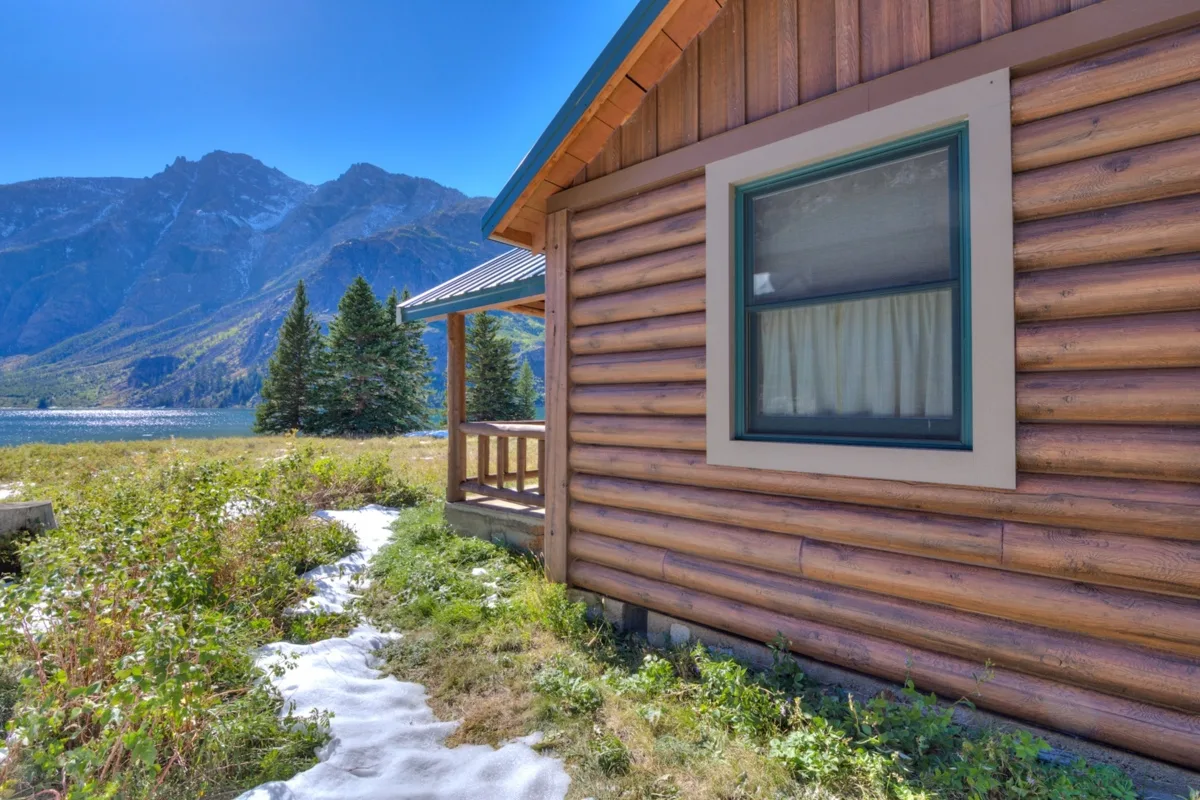
The short answer: it doesn’t burn. Concrete log siding is engineered to look like wood logs while being made from a noncombustible material, which is exactly what fire-resistant construction calls for.
1. It’s Noncombustible by Design
EverLog concrete log siding is made from Glass Fiber Reinforced Concrete (GFRC) and carries a Class A fire rating, the highest fire-performance category for these materials. Because it’s concrete, it doesn’t ignite, doesn’t feed a fire, and doesn’t contribute to flame spread. For homes in Colorado’s wildfire-prone zones, that’s a meaningful difference from traditional wood logs, which are combustible by nature.
2. It Keeps the Log Look Without the Fire Vulnerability of Wood
Many cabin owners want a log exterior because it fits the setting: mountain homes, vacation properties, and wooded lots. The challenge is that real wood logs are organic and combustible. Concrete log siding lets homeowners keep the rustic profile they want while removing one of wood’s biggest wildfire liabilities. It’s also a siding product installed over a prepared exterior rather than a full log wall system, which makes it a realistic upgrade for an existing home.
How Does Concrete Log Siding Hold Up to Colorado’s Other Conditions?
Fire is the headline, but Colorado throws more than flames at a cabin. Mountain sun, heavy snow, dry air, hail, and freeze-thaw cycles all test an exterior over time.
Because it isn’t wood, concrete log siding sidesteps many recurring wood exterior concerns. It doesn’t hold moisture the way wood can, it resists insects and rot, and it doesn’t need the annual staining and sealing that wood logs demand. The finish is built for long-term color retention under harsh sun. Final performance still depends on proper installation, drainage, and trim details, but the material itself is built to last in a demanding climate.
Does Fire-Smart Siding Replace a Full Wildfire Plan?
No, and this is an important point to be honest about. Noncombustible siding is a strong layer of protection, but no single product makes a home fireproof. Real wildfire resilience comes from the whole exterior working together.
Alongside siding, homeowners should think about defensible space and vegetation around the home, Class A roofing, ember-resistant vents, decks, and the immediate zone where embers tend to collect. Concrete log siding does its job best as part of that larger strategy, not as a stand-alone fix. The goal is a complete, hardened exterior where the siding is one piece of it.
What Should Homeowners Know About Concrete Log Siding Installation?
Installing concrete log siding requires careful planning due to its raised profile, weight, and unique corner and trim details. This project shouldn’t focus solely on appearance. A well-planned siding installation helps the siding look intentional instead of forced onto a wall that wasn’t properly prepared. Important considerations include:
- Existing siding removal and wall inspection
- Moisture management behind the new siding
- Window, door, and trim transitions
- Inside and outside corner details
- Fastening requirements and product specifications
- Coordination with roofing, soffit, fascia, or other exterior upgrades
A log-style profile draws the eye to lines, corners, and transitions, so small mistakes show quickly. Work with an expert siding contractor in Denver to help you plan the project with fewer surprises.
Is Concrete Log Siding the Right Fire-Smart Choice for Every Cabin?
Concrete log siding is a strong option for many Colorado cabins, but it isn’t automatically right for every home. The best fit depends on the home’s structure, location, budget, style goals, and the owner’s expectations for long-term maintenance.
It tends to make the most sense for homeowners who want an authentic log-cabin look with noncombustible performance. If your home has a different architectural style or a tighter budget, it’s worth comparing other noncombustible siding options, such as several fiber-cement and stone products, which also meet Colorado’s fire-resistance standards while delivering a different look.
Why Choose GS Exterior Experts for Concrete Log Siding Installation
GS Exterior Experts helps Colorado homeowners plan concrete log siding with the product knowledge and exterior remodeling experience needed for a clean, code-compliant result. With over 20 years of experience serving the Front Range and mountain communities, we consider how the siding integrates with the entire home and contributes to overall fire resilience. Our goal is to help you build a fire-resilient home, rather than just assessing one wall in isolation.
- We evaluate the existing exterior before recommending the next step.
- We plan around windows, doors, corners, trim, and wall transitions.
- We help homeowners compare EverLog siding with other fire-resistant options.
- We account for Colorado weather, wildfire exposure, and long-term upkeep.
- We coordinate siding with roofing, venting, and other exterior upgrades when needed.
A better siding project starts with the right plan. Our team helps homeowners understand what the installation involves, which details need attention, and how concrete log siding can support a durable, fire-smart cabin exterior.
Build for Peace of Mind: Protect Your Colorado Cabin with Fireproof Concrete Logs
For many cabin owners, concrete log siding answers the question in the title with a clear yes: it delivers the rustic log look they love using a noncombustible material that supports wildfire-resilience goals and Colorado’s evolving code. It won’t replace a full fire plan, but it can be a meaningful part of one, while still protecting the style and character that make a cabin feel like a cabin.
If you’re weighing EverLog concrete log siding for your home, we can help you compare options and plan the next step. Contact GS Exterior Experts today to schedule a consultation and find out whether this fire-smart siding fits your cabin, your property, and your exterior remodeling goals.