
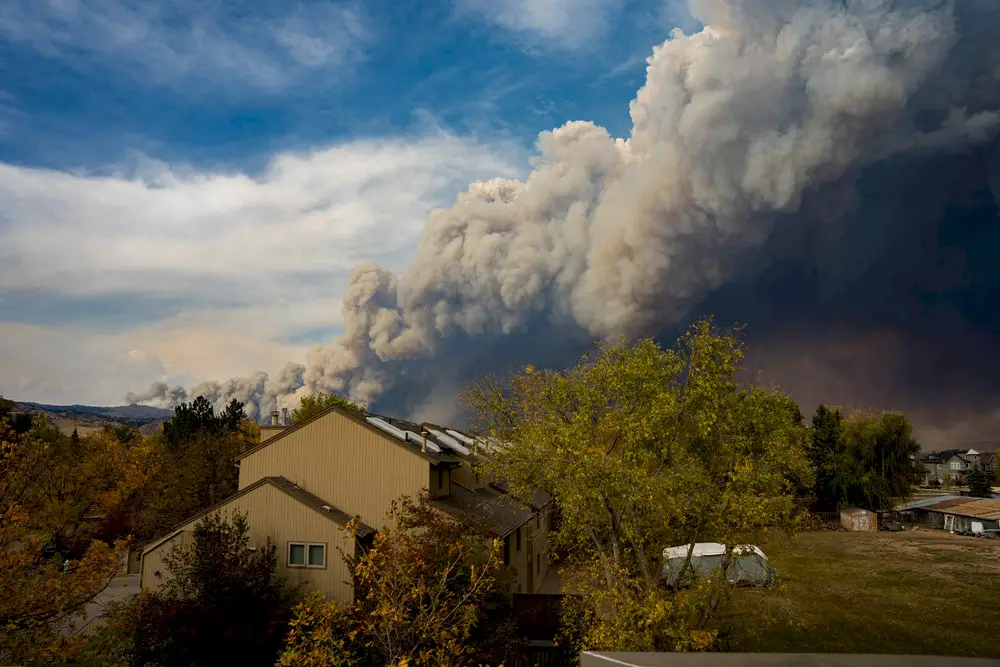
If your home sits in or near a Colorado wildfire area, the material on the outside of it is one of the things you can actually control.
This article covers which materials are non-combustible, which ones burn, and what the ratings mean when you see them on a spec sheet. The honest summary up front: no siding makes a house fireproof, but the difference between materials is real and measurable.
The Importance of Fire-Resistant House Siding
With climate change causing more frequent wildfires, fire-resistant house siding is an absolute must for homeowners. A recent UN report found that the risk of these devastating fires will only continue to increase in the years to come. This news makes it essential to protect your home from any potential heat and flames with a resistant material.
Fire-resistant siding doesn’t prevent a wildfire; it reduces the chance your home ignites from radiant heat or windborne embers when one reaches your neighborhood. By understanding how different materials rate in terms of resistance and durability, you can make informed decisions about what type of siding is best for your home and your family’s safety.
Fire-Resistant Siding Options
Fire safety for your home is an important consideration, and investing in fire-resistant siding materials can help protect against the spread of fires. There are a variety of options available that have been highly rated in testing to provide additional protection from flames.
Fiber Cement Siding
Fiber cement siding is made from cement, sand, and cellulose fiber. It carries a Class A flame-spread rating under ASTM E84 with a flame-spread index of 0, and it’s classified as noncombustible under ASTM E136. In practice, that means it won’t ignite and won’t carry flame across a wall.
Note that applied paints and coatings can char even though the substrate won’t ignite, which is James Hardie’s own published caveat. James Hardie is the brand most people mean by “Hardie board,” and it’s what we install on most Colorado projects. Nichiha is the alternative where architectural panel formats suit the design.
Metal Siding
Steel and aluminum are non-combustible, so they won’t ignite from embers or contribute fuel to a fire.
Worth knowing the trade-off: metal panels dent under hail, which is cosmetic rather than a failure, but it’s the most common complaint about metal in this market. No cladding alone determines whether a home survives a wildfire. Vents, decks, roof assembly, and defensible space all matter.
Stucco Siding
Homeowners looking for fire-resistant siding can take comfort in knowing that stucco siding is an excellent option. Correctly installed over the right substrate, stucco can form part of a one-hour fire-rated wall assembly (ASTM E119). The rating belongs to the full assembly, not the finish alone.
Brick and Stone Siding
Brick and stone veneer are non-combustible and need no finish maintenance, which makes them a strong choice where budget allows. They’re the most expensive option here.
One thing worth noting: masonry veneer is installed with a drainage cavity behind it, and that cavity needs proper detailing at the top and bottom. Done badly, it becomes an ember trap rather than a barrier.
House Siding Materials to Avoid for a Fire-Prone Area
Some materials are a poor fit for a wildfire area, no matter how good they look. If your address falls inside a mapped zone, these two are worth ruling out before you get as far as color selection.
Wood Siding
Cedar and other wood sidings are combustible, and in a WUI area, that may rule them out regardless of how they look.
Fire-retardant-treated wood exists and can satisfy some jurisdictions, though not all, and treatments need reapplying on a schedule. If you want the wood look without the combustibility, Woodtone applies a wood-grain finish to fiber cement.
Vinyl Siding
When building a fire-resistant home, vinyl siding should be avoided. It’s made from plastic and quickly melts when exposed to the high temperatures of a wildfire. This melting exposes internal walls and studs, which can allow flames to spread more easily, potentially inflicting greater damage on the property.
Is Your Home in a Wildfire Area?
If it is, material choice stops being a preference and becomes a code question, since the Colorado Wildfire Resiliency Code sets requirements in mapped areas. We can tell you what applies at your address before you choose anything. Contact GS Exterior Experts, and we’ll walk the property with you.