
Summary:
- Fiber cement is non-combustible under ASTM E136, which matters on commercial buildings where construction type restricts combustible cladding.
- Metal is non-combustible and handles wind well, though panels dent under large hail.
- Vinyl costs the least and needs no painting, but it is combustible and may not be permitted depending on your building’s construction type and height.
- Material choice on a commercial building is a code question before it is a design question.
- GS Exterior Experts helps Colorado business owners match siding to their brand, budget, and the climate their building actually faces.
On a commercial building, cladding choice starts with code rather than appearance. Construction type, building height, and occupancy classification determine which materials are permitted, and only then does the design conversation begin.
Below are the three we install most on commercial projects, with what each one is suited to and what it rules out.
1. Fiber Cement Siding
Fiber cement is our usual specification for commercial work in Colorado. It is classified as non-combustible under ASTM E136 with a flame spread index of zero under ASTM E84, which is what makes it viable across construction types that restrict combustible cladding. It’s made from a mixture of:
- Cement
- Sand
- Cellulose fibers
This siding material can withstand the extreme temperature fluctuations, moisture, and UV exposure common in Colorado’s climate. It does not rot or attract insects, and it stays dimensionally stable through freeze-thaw cycling. For larger elevations, Nichiha offers architectural panel formats that suit commercial facades better than residential lap profiles. This makes it an excellent choice for businesses seeking long-term durability and protection.
Another advantage of fiber cement siding is its versatility. It’s ideal for businesses looking to create a unique and eye-catching aesthetic. It can mimic the look of wood, brick, or stone and be customized with various colors and textures. And to maintain brand consistency, it can be easily painted to match your style.
Fiber Cement Siding Maintenance
Fiber cement needs little beyond periodic washing. With a factory-applied finish it carries a 15-year finish warranty and no repaint cycle, which on a multi-building site removes a recurring line from the operating budget.
Occasional cleaning with water and mild detergent is usually sufficient to keep it looking fresh and vibrant. However, it’s important to note that proper installation by experienced professionals is crucial to ensure longevity.
2. Metal Siding
Another ideal commercial siding idea in Colorado is metal. Metal siding is non-combustible and handles wind loading well, which makes it suitable for industrial and modern commercial elevations. Steel and aluminium are the two common choices, and steel resists denting better of the two.
Hail is the honest caveat. Panels dent, which is cosmetic rather than a failure of the weather barrier, though on a large commercial elevation, that is a lot of visible surface. Heavier gauges and profiled finishes handle it better than thin flat panels.
In terms of design and trends, metal siding can give your Colorado business an eye-catching, modern look. Aluminum and steel siding can be finished with various colors, textures, and coatings. It also lets you be flexible with your designs to create unique profiles, such as horizontal or vertical panels.
Metal Siding Maintenance
Metal siding offers long-lasting exterior protection for buildings that require minimal maintenance. Regular inspections and touch-ups will help maintain its integrity, ensuring your building looks great with fewer hassles. It’s a notable solution for busy business owners.
3. Vinyl Siding
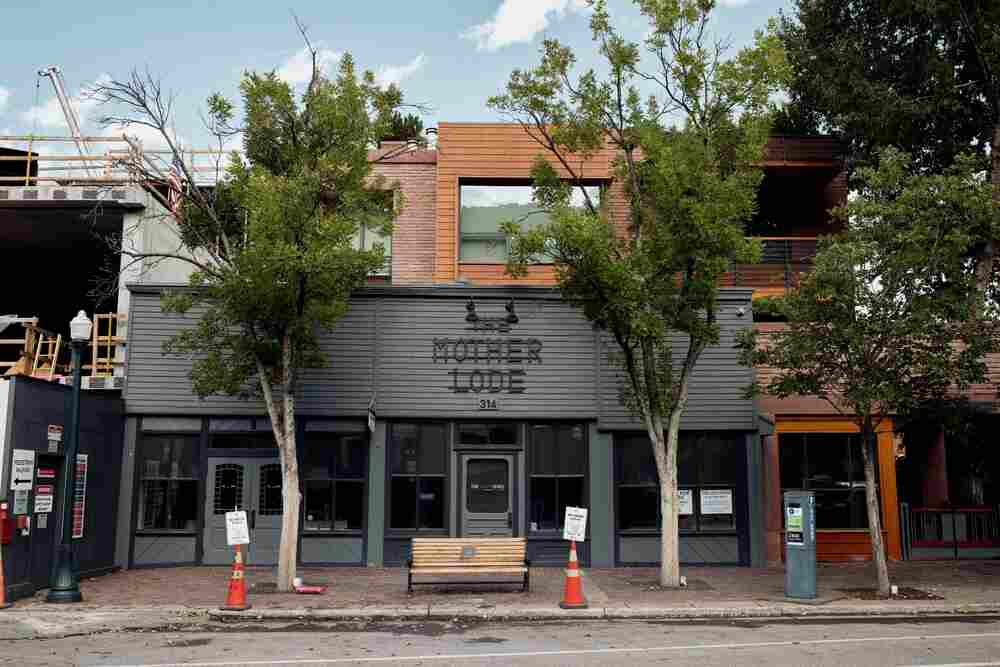
Vinyl is the lowest-cost option and needs no painting, which makes it common on lower-rise commercial and multi-family buildings where budget sets the scale of the project. As such, it has become one of the top commercial siding trends today.
Two qualifications for Colorado. It is combustible, so construction type and building height may rule it out before cost enters the conversation. And at altitude it fades faster and becomes brittle in cold, so gauge matters more here than in milder markets.
Vinyl siding offers a wide range of colors, textures, and finishes, and these vinyl siding design ideas show what’s possible in Colorado. Wood-grain and stone-look profiles are available, and unlike the real materials, they need no staining or sealing.
Vinyl Siding Maintenance
This option requires minimal upkeep. It does not require painting, staining, or sealing, unlike some other siding materials.
Cleaning the material can be done quickly and easily with mild detergent and water. It resists warping and insect damage, and requires no painting or sealing. Bear in mind that vinyl becomes brittle in cold, so impact damage in winter is the most common failure here. This means fewer repairs down the line.
Upgrade Your Business Exterior with the Right Siding Choices
When it comes to your Colorado business, selecting the right siding is an essential decision that can make all the difference. Not only will it create a first impression with customers, but it also protects your investment from Colorado’s challenging climate. There is no single right answer. Fiber cement works across the widest range of construction types and costs more. Metal suits industrial and modern elevations and dents in hail. Vinyl costs the least and may not be permitted on your building at all.
Start with what your construction type allows, then choose based on appearance and budget within that. We can tell you which applies to your building. Talk to us about commercial siding.