

It is no surprise that vinyl siding is the most popular siding option for homes. It is one of the most endearing siding options, that has better durability than alternatives, like wood and brick. Its affordability is another reason why many homeowners prefer it over other options.
Anyhow, if you are thinking about choosing vinyl siding for your upcoming home décor project, there must be plenty of questions in your mind. Fret not. This blog aims to answer all of your questions quickly and clearly.
What Is Vinyl Siding?
Before jumping the bandwagon and choosing a siding option on the basis of word of mouth, you must completely understand what you will obtain from a vinyl siding. It is first necessary to understand what vinyl siding actually is.
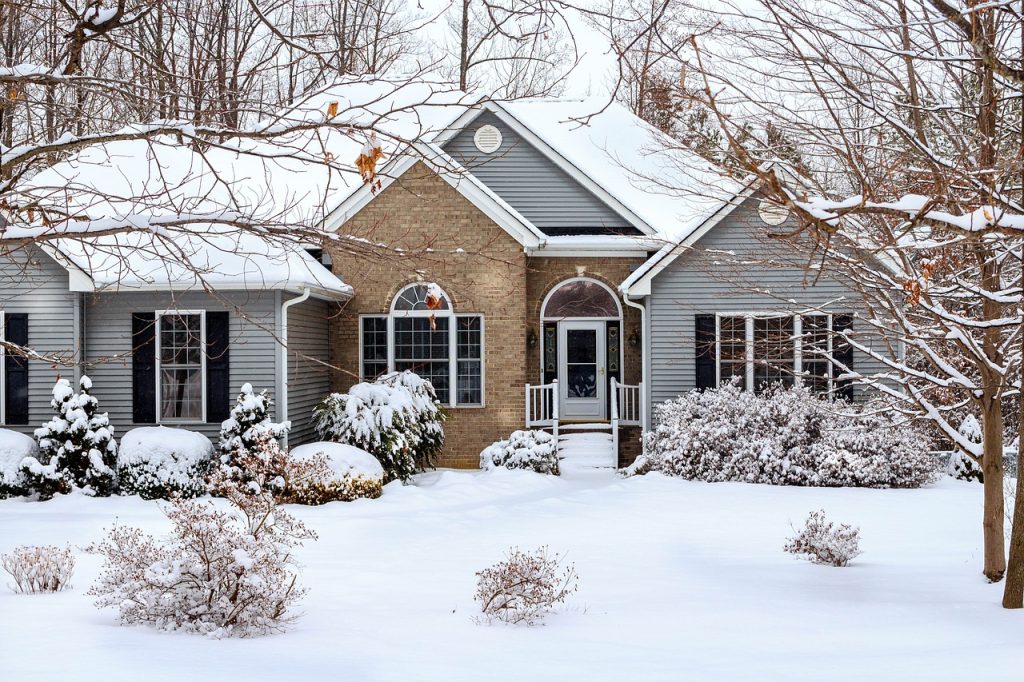
Engineered from polyvinyl chloride (PVC) resins, vinyl siding is a kind of plastic exterior siding. It is the most affordable siding option, resists moisture and termites, and needs no painting. Worth knowing the Colorado trade-offs: vinyl fades faster under high-altitude UV than at sea level, and it becomes brittle in cold, so a hail strike in winter is more likely to crack a panel than the same strike in summer.
What Is The Best Siding Material For A House?
There are a number of options available in the market when it comes to how to choose vinyl siding for your home. There is no single best siding material. The right answer depends on your budget, your climate, and how much maintenance you are willing to take on. Vinyl is the most widely installed option in the US, which reflects its price more than its performance. The attributes that have contributed to the prevalent choice of vinyl siding for houses are:
- Durability
- Cost-effective
- Vast options
- Moisture and termite-resistant
- Requires less maintenance
Does Vinyl Siding Make a House Warmer?
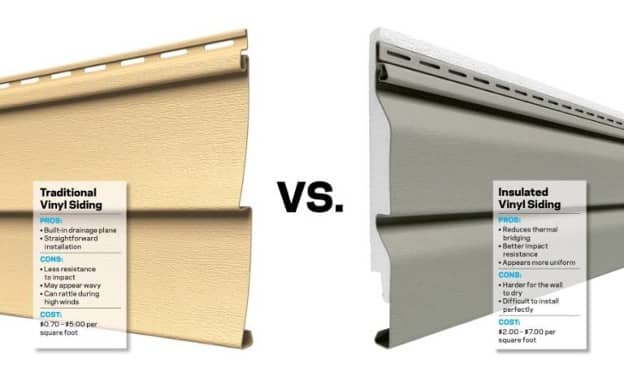
Standard vinyl siding provides almost no insulation. Its R-value is negligible, and the insulation that keeps your house warm sits in the wall assembly behind the cladding. The exception is insulated vinyl, which has rigid foam bonded to the back of the panel and adds roughly R-2 to R-3. That is a modest addition against a wall already running R-13 or better, but it is real, and it also makes the panel more rigid and less prone to cracking. If you are re-siding anyway, that is the moment to improve the insulation itself, since the wall is accessible.
How To Choose Vinyl Siding For Your House?
When choosing vinyl siding for your house, there are two main things that you must keep in mind: convenience and personal preference. Do what is more convenient to you and what you want your home to look like. Make sure you learn about the properties of each type of vinyl siding and the visual appeal they create.
Vinyl comes in a range of profiles and textures. The most common are:
- Clapboard
- Traditional Lap
- Dutch Lap
- Sooth
- Wood Grain
- Beaded Seam
- Board and Batten
- Cedar Shake
- Traditional Shake
- Hand-split shakes
How To Side A House With Vinyl Siding?
Vinyl siding is a great option to advance the look of your house. Vinyl looks straightforward to install and is unforgiving in one specific way. Panels have to be hung rather than nailed tight, with the fastener centered in the slot and left loose enough for the panel to move as it expands and contracts. Nail it fast, and you get buckling and waviness across the elevation within a season, and it is visible from the street.
Manufacturer warranties are also commonly conditional on correct installation, so a DIY job can cost you the coverage. If you are set on doing it yourself, the outline below covers the sequence. Hiring a professional service, on the other hand, can be useful to save time and get the installation done meticulously.
But if you want to do it yourself, here is a quick guide!
Things you will need:
- Sheathing in sound condition
- Water-resistive Barrier
- Flashing at openings and penetrations
- Starter strip, J-channel, and corner posts
- Corrosion-Resistant Nails
- Utility trim and undersill trim
Steps to Side A House With Vinyl Siding:
- Prepare The Outside of your Home For Installation.
- Remove any material that is incompatible with the vinyl siding.
- Nail loosely into the center of each slot, leaving about 1/32 inch between the nail head and the panel, so the siding can move.
- Measure the walls.
- Install the starter strip.
- Install corner posts.
- Install J around doors.
- Start installing wall sidings.
- Overlap adjoining panels.
And you are done!
How Much Does It Cost To Have A House Vinyl Sided?
At the time of writing, vinyl siding costs $2 to $7 per square foot on average, making it the most affordable siding option available. Material and labor prices have moved since, so treat that as a guide to where vinyl sits relative to other materials rather than a current quote.
GS Exterior Experts is a James Hardie Elite Preferred Contractor, serving Colorado since 1999. If you are weighing vinyl against fiber cement or engineered wood for a Colorado home, the honest summary is that vinyl wins on price and loses on longevity at altitude. Get in touch, and we will price both for your house.