
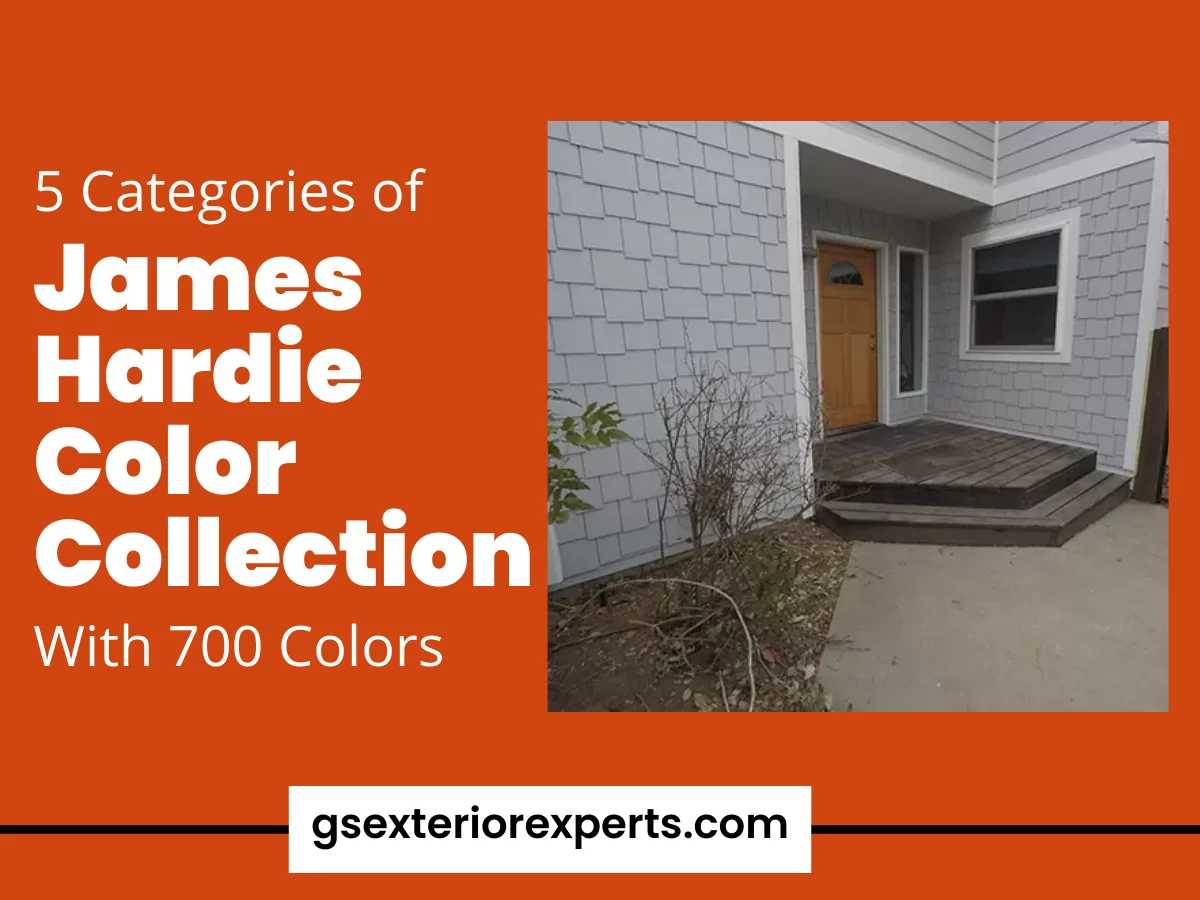
The Dream Collection is James Hardie’s extended ColorPlus® palette, and it is where you go when the standard range does not have the shade you want.
Alongside the fire performance and weather resistance, fiber cement is chosen for, color is the decision most homeowners spend the longest time on. Here is how the five categories break down. James Hardie applies these finishes in a controlled factory environment rather than on site, which is why they hold color better than field-applied paint. ColorPlus® Technology carries a 15-year limited warranty covering peeling, cracking, and chipping, with the labor portion reducing after the first year.
Understanding the five color categories in the James Hardie siding Dream Collection can be helpful in choosing the ideal colors for your home.
James Hardie Color Collection
Classic Lights and Darks
In the Dream Colors Collection, Classic Lights and Darks include several black and several white colors. These classic colors are great if you want to present a traditional appearance.
Whites and blacks work well for older homes. They give a crisp, clean look to a modern home as well, especially when a white main color is used with black trim.
Why so many different whites and blacks? The reason is that they aren’t simple colors. Some blacks are darker than others, and some have hints of other colors like browns and dark blues. On the other hand, some whites are purer whites and reflect more light. Some are warmer colors than others. For example, White Meringue is a much warmer color than White Picket Fence.
If you are unsure, hold samples against your existing roof, trim, and stonework in daylight rather than indoors. Leave them up for a few days and look at them morning and evening, since a color that reads warm at noon can read grey at dusk. At altitude, the light is harder than most people expect, and darker colors look considerably deeper outdoors than they do on a chip. Be sure to try a few variations so you can really see which is which.
Grays and Neutrals
Gray siding colors are popular because they look modern, elegant, and attractive, yet subtle. The Dream Colors Collection includes very light grays, like Stone Gray or Urban Gray; medium grays like Wet Concrete and Ash Gray; and deep grays like Volcano Gray and Sky Scraper Gray.
The James Hardie Dream Collection color chart might have more shades of gray than you’ve ever seen before, but don’t get overwhelmed. The perfect gray for your home is there, just take your time deciding.
Neutral colors leave you the most options for other exterior features, like your roof. This collection has a wide range of neutral colors that run from whites to greens to browns and even blacks – all within the neutral range.
Earth Tones
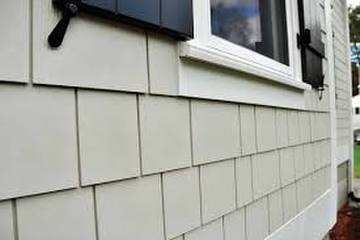
Dozens of James Hardie siding colors fit into the earth tone category. So, what’s the difference between a neutral and an earth tone? Typically, earth tones are warmer colors, meaning they have hints of yellows, oranges, and reds, while neutrals tend to be cooler versions with a bluer or greener cast.
Some that tend more to be yellow are Maize, Cream Corn, and Straw Hats. Oranges like Golden Leaves, Dripping Gold, and Golden Beehive show up warm and welcoming. More reddish neutrals in the collection include Baked Clay, Rusty Nail, and Brushwork Red.
You can have a lot of variation in blues and greens. Some greens, like Arborvitae, are warmer colors, while others, like Green Light, are cooler. The same is true of the blues, with Aquafoam being cooler than Blue Opal. Of course, there are also in-between colors that mix blue and green, such as Melted Teal and Parakeets Teal.
The earth tones in the James Hardie Dream Collection colors are wide-ranging and varied. Try pairing complementary colors for your siding and trim for a monochromatic look.
Blues and Greens
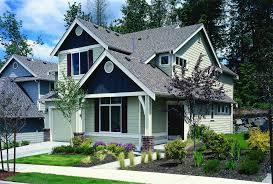
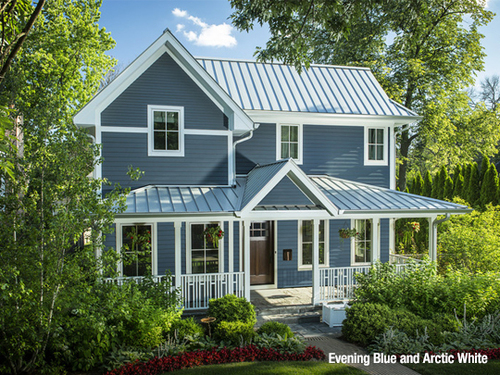
Choosing blue or green is a bold move that can pay off big in a beautiful visual effect. Blues and greens look especially appropriate in a more natural setting, such as near a forest or river. At the same time, they can add interest to a more urban setting.
Try pairing your blue or green siding with a neutral trim. The James Hardie Dream Collection has pallets you can play with to find an ideal look.
Peaceful Pastels
The Peaceful Pastels colors are soft, delicate shades of the colors you love. They include pinks, like Rosewater or Pink Carnation. The category also features orangish colors like Peach Parfait and Dried Apricot. Creamy yellow colors like Designer Cream and Snapdragon Blossom have a gentle, inviting glow.
Of course, there are also pastels on the cooler side, including blues like Foggy Blue, violets like Faded Mauve, and greens like Fishing Boat. Both warm and cool pastel colors are often associated with spring. But, whether it’s cold outside or the first day of spring, these colors can brighten your home considerably.
Choosing the right colors for your home’s exterior is an important decision. After all, your siding should last a good, long while. You want to make sure you choose colors from the James Hardie dream collection you can live with in the long term.
The Benefits of James Hardie Siding
New construction and remodeling projects both benefit from James Hardie siding. James Hardie fiber cement is classified as non-combustible under ASTM E136, will not rot, and is not a food source for pests. It carries a 30-year non-prorated substrate warranty, separate from the 15-year finish warranty on the color.
ColorPlus finishes resist fading, and the warranty covers excess color change beyond normal weathering. Like any exterior finish, it does weather gradually, which is what the warranty language accounts for.
How to Choose the Right Siding Contractor
When considering a siding contractor for your home, research is essential. Be sure to look for experience and customer reviews. You should do some research into customer feedback, testimonials, and reviews; this will give you an idea of how reliable the contractor is. Make sure you get detailed estimates so that there are no extra surprises down the road, and ask questions if something doesn’t seem quite right.
Licensed contractors are a must, and you will want to know that the contractor carries an insurance policy so you know the job will be done correctly. It’s important to check their certifications and make sure they are fully insured and able to warrant their services.
You should ensure that the contractor you choose specializes in the type of siding you have or will be installing. You can ask for portfolio samples or finished project photos so you can get an idea of what kind of work they produce before you hire them.
We are a James Hardie Elite Preferred Contractor and BBB Accredited with an A+ rating. We carry licensing and insurance, provide written warranty documentation on every project, and can show you completed work in your area.
Final Words
Browse the Dream Collection for ideas, then let us bring physical samples out and hold them against your roof, trim, and stonework. Color decisions made on a screen rarely survive contact with the actual house.
Call us on (720) 683-6288 or get in touch. We are a Colorado home improvement company ready to help you with any questions you have about siding and more.